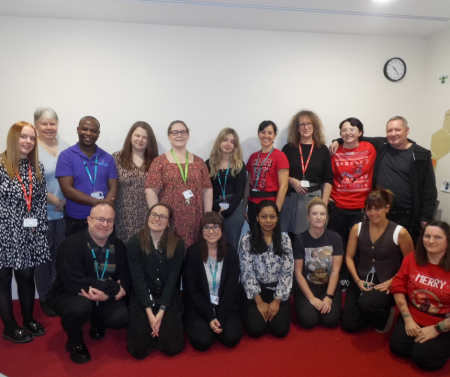
The Bere Clinic is a specialist 12-bed inpatient unit for young people aged 12 to 18 with an eating disorder or disordered eating diagnosis.
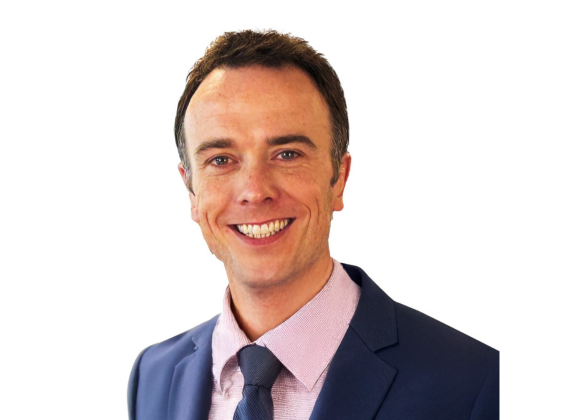
The primary goal of the service is to help young people achieve and maintain a healthy body weight. This is delivered by a multi-disciplinary team of staff, including a social worker, occupational therapist, dietician, psychologist and family therapist, to address both the physical and psychological aspects of recovery. The 53-strong workforce also includes nursing staff and administrative support. As Lee describes, supporting young people in their recovery is everyone's responsibility:
"At Bere Clinic, we’re committed to creating a safe, therapeutic space where young people can begin their recovery journey with dignity and support. Every member of our team plays a vital role in helping our patients rebuild their confidence and reconnect with life.”
Day-to-day
Each day is structured around mealtimes - breakfast, lunch and dinner - and three snacks in between. Meals are served in a main dining room where the young people eat together, supported by staff. The dietician and dietician assistant work with young people to plan their meals for the week ahead.
An on-site 'school', which has a main classroom and an additional 'sixth form' room for older students, operates within the unit to enable young people to continue with their education while under the care of the unit, with educational sessions designed around mealtimes and therapeutic activities.
Family involvement
The family therapist plays a central role in supporting young people and their families throughout the inpatient treatment journey. They hold sessions with young people and their families both separately and together. These sessions address emotional, behavioural, and relational challenges, and help families understand and support their child’s recovery.
The family therapist is also integral to discharge planning, helping families navigate the transition from inpatient care to home life. This includes preparing for reintegration with home schools and managing challenges that may arise post-discharge.
Changing landscape
Lee says that less young people are being admitted to specialist eating disorder inpatient services like Bere Clinic, which he attributes to the success of the intensive home and community-based treatment services. However, the young people who are admitted often present with co-morbidities, including self-harming or being more physically unwell.
"We’ve also seen a marked increase in neurodiverse and autistic young people accessing our service, often with complex and undiagnosed needs. This shift has challenged us to adapt our environment, our communication, and our therapeutic approach to ensure every young person feels safe, understood, and supported,” said Lee.