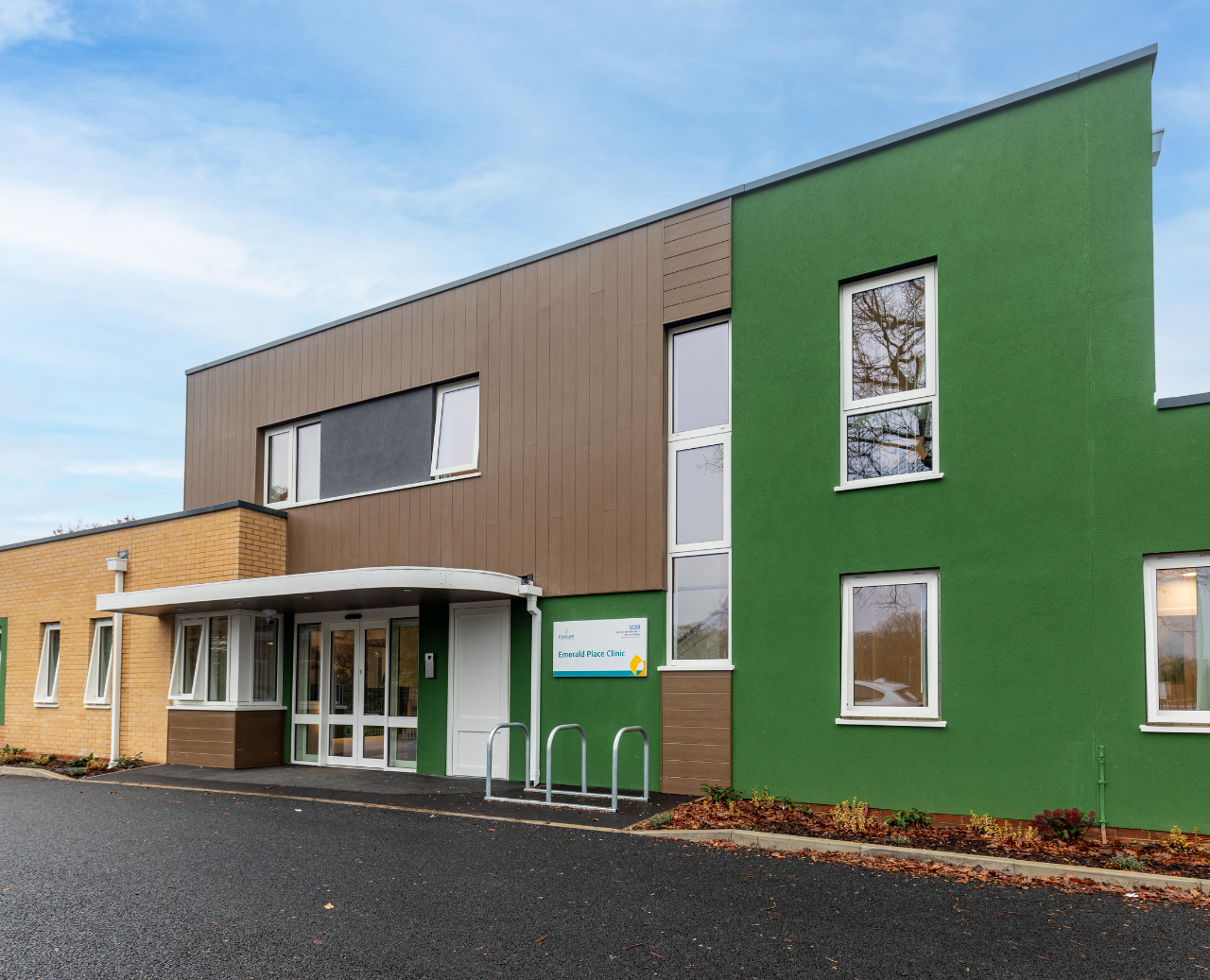

A key development within the Hampshire and Isle of Wight NHS Foundation Trust’s CAMHS service has been the expansion of the Transitions Team, mainly based at Serenity Path Hospital, a General Adolescent Unit.
This expansion, which includes the newly opened Darcy ward, a low secure unit, and Bennett ward, a psychiatric intensive care unit, is in response to increasing demand and complexity of cases and supports timely and safe discharge for young people with high-acuity mental health needs.
The enhanced team now provides dedicated support to young people preparing for discharge across multiple pathways within Hampshire, improving flow through inpatient services while ensuring that discharge planning is clinically robust, person-centred, and sustainable within community settings.
Addressing complexity in discharge pathways
Young people being discharged from inpatient services often present with multifaceted needs, including clinical risk, social vulnerability, and gaps in local provision. These challenges are compounded by pressures on community services and variability in inter-agency coordination.
The Transitions Team has played a critical role in strengthening the structure and oversight of discharge pathways. A notable achievement has been the team’s ability to build and deepen relationships across health and social care systems. Open, transparent dialogue with families and professionals has been central to this progress, ensuring that care plans are both aspirational and achievable.
Enabling repatriation and reducing out-of-area placements
A key component of the expansion has been a renewed focus on repatriation - supporting young people placed out of area to return closer to home wherever clinically appropriate.
Working closely with the Provider Collaborative's case managers, the Transitions Team has supported several young people to be repatriated to be closer to the family and friends. These cases often involve navigating significant uncertainty, addressing young people’s anxieties, and rebuilding trust in local services.
Impact and ongoing development
Since the introduction of the Transitions Team, six-month readmission rates at Serenity Path Hospital have reduced significantly - from the national benchmark of 10–20% to around 5% over the past two years.
As the model continues to evolve, the team is expanding further across the Provider Collaborative footprint, including services in Sussex and Kent. This growth presents an opportunity to embed best practice, strengthen regional consistency, and further enhance support for young people, families, and professionals navigating complex discharge pathways.
Case study: reconnecting care closer to home
'Tommy' had been placed in a psychiatric intensive care unit in Sheffield due to the complexity of his needs and a lack of suitable local provision. Initially, the professional team was reluctant for Tommy to return to Hampshire due to the lack of a clear discharge pathway and the concerns that his needs might exceed the general adolescent unit's abilities. These concerns reflect common challenges in repatriation work, including fear of the unknown, loss of established therapeutic relationships, and uncertainty about the quality and continuity of care.
The Transitions Team worked in partnership with case managers to explore options for his return. A key turning point was face-to-face engagement led by the Transitions Team Lead, who used a solution-focused, person-centred approach to understand Tommy’s priorities and concerns. This engagement helped to reframe the transition - not as a disruption, but as an opportunity to rebuild connections closer to home.
Following careful planning, Tommy was successfully repatriated and supported through a gradual reintegration into his local community. Ongoing relational support with consistent professionals to enable Tommy to build trust.
Tommy went on to engage meaningfully with the Transitions Team, accessing community activities and rebuilding his confidence. He has now been discharged from specialist services and continues to engage in education, has secured part-time employment and is engaging with his community care professionals.
Without this intervention, it is likely that Tommy would have remained in an out-of-area placement, with limited access to his family, community, and local support networks. His journey demonstrates the broader impact of the Transitions Team’s work to improve outcomes for young people.