
22 January 2026
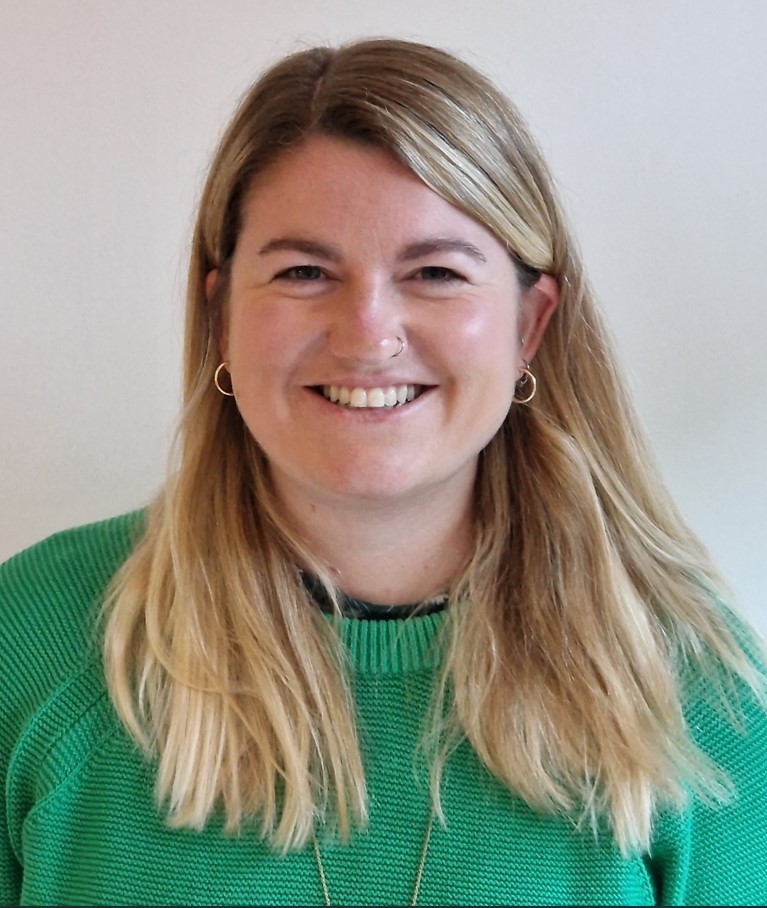
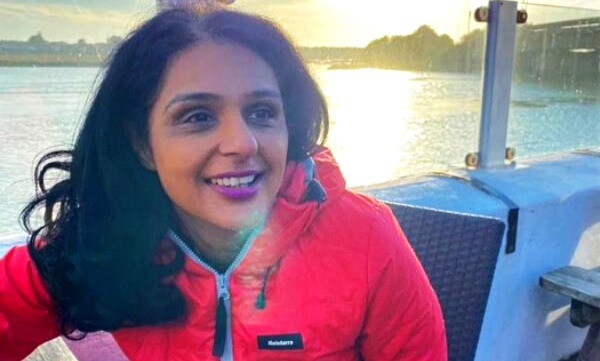
Thanks to Aparajita Pandey, clinical research team leader for mental health at Sussex Partnership for this blog...
....2025 marks a decade since I moved to the UK from India - 10 glorious years of learning, unlearning, belonging, and becoming.
Ten years sounds like a long time. But to me, it feels like a blink—a quiet unfolding of moments, people, and experiences that slowly shaped who I am, not just as a person, but as a researcher.
Living in a new country was both liberating and lonely. There were moments of self-doubt, cultural adjustment, and quiet resilience—moments that taught me independence, empathy, and patience. What I didn’t realise then was that this journey would fundamentally change how I understand psychology, people, and my own sense of purpose.
Academia was never unfamiliar territory. Both my parents are PhD holders, and intellectual curiosity was part of my upbringing. I arrived in the UK intending to pursue a PhD and build an academic life. My year at the University of Sussex became a turning point—not because it gave me answers, but because it taught me how to ask better questions. I learned that research is not about memorising theories or chasing perfect results. It is about learning how to think critically, ethically, and with intention. My supervisors modelled curiosity with compassion, showing me that good research begins not with certainty, but with humility and purpose.
In the UK, I encountered a system where research did not sit quietly on library shelves, but actively shaped services, policies, and lives. My deepest learning began when I entered the Research & Development team at Sussex Partnership NHS Foundation Trust - walking into a new system with equal parts excitement and uncertainty, carrying questions I didn’t even know how to articulate. For the first time, I saw how clinical research directly shapes real-world outcomes. Supporting psychosis research offering Cognitive Remediation Therapy—and later delivering interventions myself—transformed my understanding of evidence-based practice. Research was no longer abstract; it was relational. It was sitting with people, listening carefully, and recognising how even small, well-designed interventions could shift lives.
As I progressed into a Clinical Research Coordinator role, research revealed itself as a living, breathing process. Recruitment challenges, ethical considerations, clinician collaboration, and participant engagement all intertwined. Every person I met—every participant who shared their experiences with honesty and courage—reminded me why we do this work. Their trust became the foundation of my growth. Every participant interaction and every study I supported sends ripples far beyond what I could immediately see.
Today, as a Clinical Research Team Lead, I feel deeply privileged that I work alongside passionate and talented Clinical Research Practitioners, Research Assistants, and placement students—people who care deeply about quality, safety, and impact. Together, we manage a diverse research portfolio, assessing new studies, supporting innovation, and ensuring that evidence-based interventions are delivered with integrity. Working closely with clinicians continues to humble me. Their commitment to patient care reinforces what I have learned over the years: research and practice are inseparable, and at their best, they strengthen each other.
Ten years in, I have learned that research is not defined by the papers we publish, but by the people we reach, the trust we honour, and the care we embed in our work. And that, to me, is the most meaningful outcome of all.
I also write this as a note of thanks to everyone who supported me and continue to support me throughout my journey in the UK. Each of you, in your own special way, made these ten years meaningful and truly worth it.