
3 December 2025
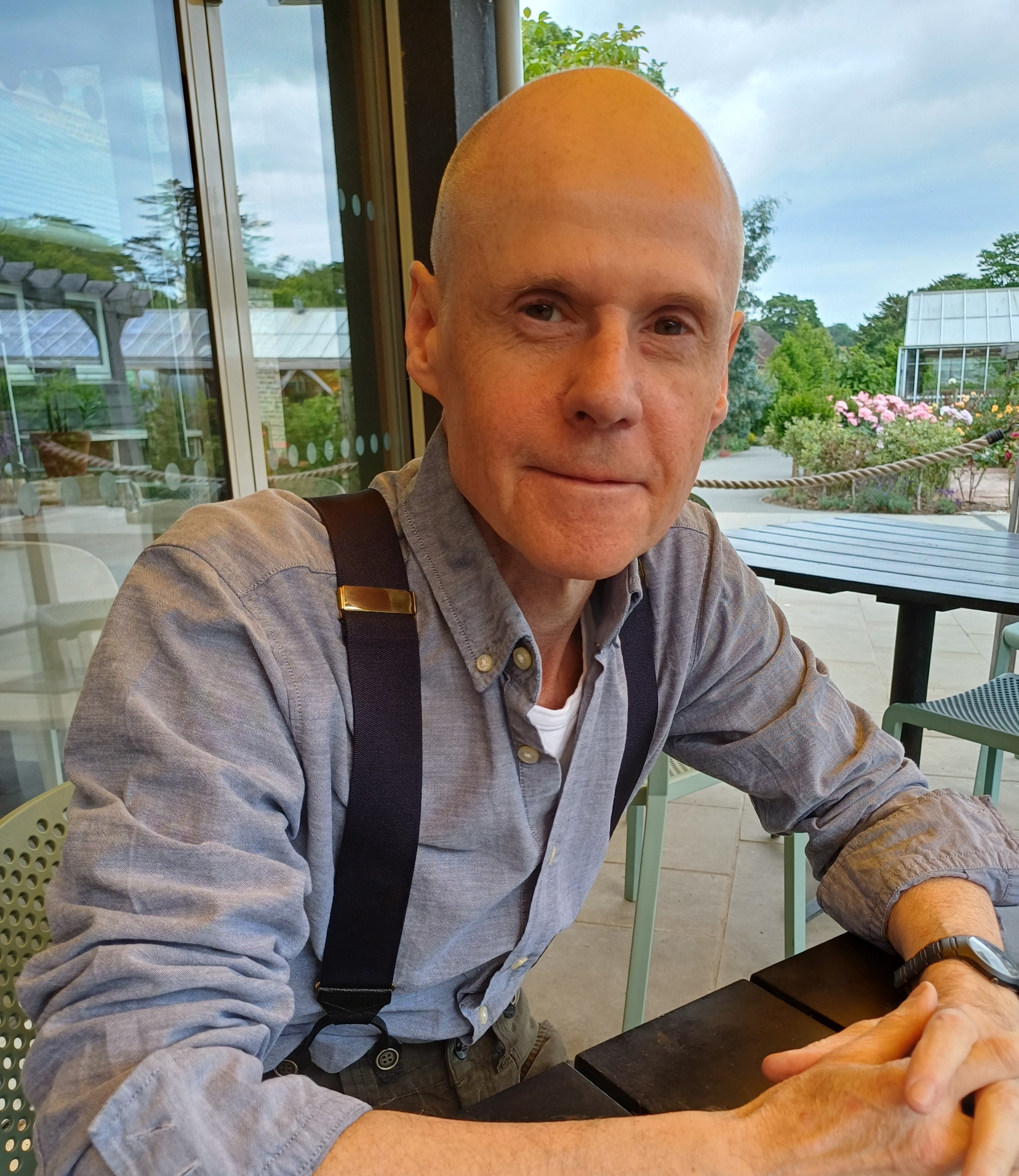
A blog by Maryna Mykhailiuk
Joining Connect as a placement student feels like a natural step in a journey that has gradually shifted from thinking about people on a broad, societal scale to focusing on individual experience. Studying International Relations once pointed me toward large systems and population-level issues, but over time — especially after moving to the UK following the war in Ukraine — my interests turned toward how major events shape the everyday realities of a single person. That curiosity led me to psychology, and eventually to the research department at Sussex Partnership NHS Foundation Trust, where Connect quickly became the project that made these interests feel truly grounded.
Being part of this study is like stepping into an important moment in psychosis research. It’s one of the first projects of this scale exploring how digital technology might help us better understand experiences of psychosis, involving a large, motivated research team across six UK universities, and many engaged service users. Even though the study focuses on digital tools, what stands out to me most is how deeply human the work is.
One thing that struck me straightaway was how the Sussex team genuinely puts individuals first. There is a real effort to see the person before the data.
This idea of valuing individuals extends not only to participants, but also to the researchers who stand behind the project. During weekly meetings, for instance, the very first question asked is always about well-being: how everyone is feeling, whether they’re managing, and what support they might need. Before discussing any study procedures or data, the focus is on the people doing the work. This creates a supportive environment where researchers feel seen as individuals, and where care is modelled at every level — making it more natural to offer the same care to participants.
Only after checking in with each other do discussions move to participants — how they’re doing with their follow-ups, whether anyone needs additional support, how their emotional well-being has been recently — and then, only then, to administrative matters. This order itself says something important: Connect is built around people first, processes second. It reinforces the idea that the study is not just about collecting data, but about maintaining the well-being of everyone involved in generating it.
This value also shapes the qualitative interviews planned for the study. Participants are invited to speak about their experiences with the app and digital tools — what worked, what didn’t, and what could be improved. The focus on listening to individuals from different backgrounds and levels of engagement reinforces the idea that their voices are central, not secondary.
Another theme that has impressed me is how Connect challenges old stereotypes. There’s a persistent belief that people experiencing psychosis will avoid digital monitoring or distrust technology. Yet, in practice, we see the opposite: highly engaged participants who feel empowered by being able to choose what information they share. This shift only happens because research assistants and clinicians take time to explain things clearly: what is tracked, what isn’t (such as message content or phone conversations), and why each piece of information matters. Through a calm, honest dialogue, they break down fears and build trust.
Reflecting on these first months, I’m realising how much this placement is shaping the kind of work I want to pursue. I’ve learned that I’m energised by roles where research and human connection sit side by side, and where people are treated as individuals rather than data points. Watching the team model patience, calmness, and genuine care has given me a clearer sense of the professional environment I hope to grow into. Connect is showing me that careers in mental health often unfold in unexpected ways — and that following what feels meaningful can be a reliable guide forward.