8 December 2025
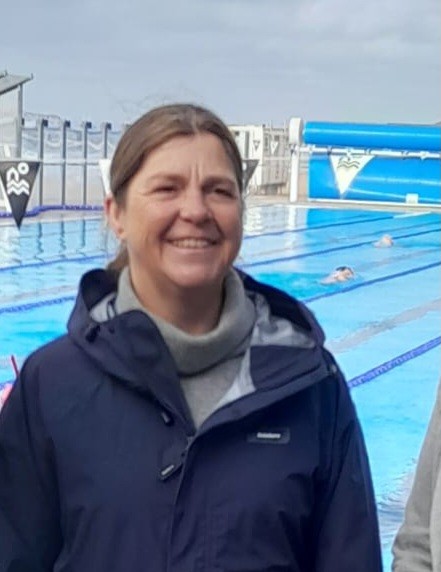
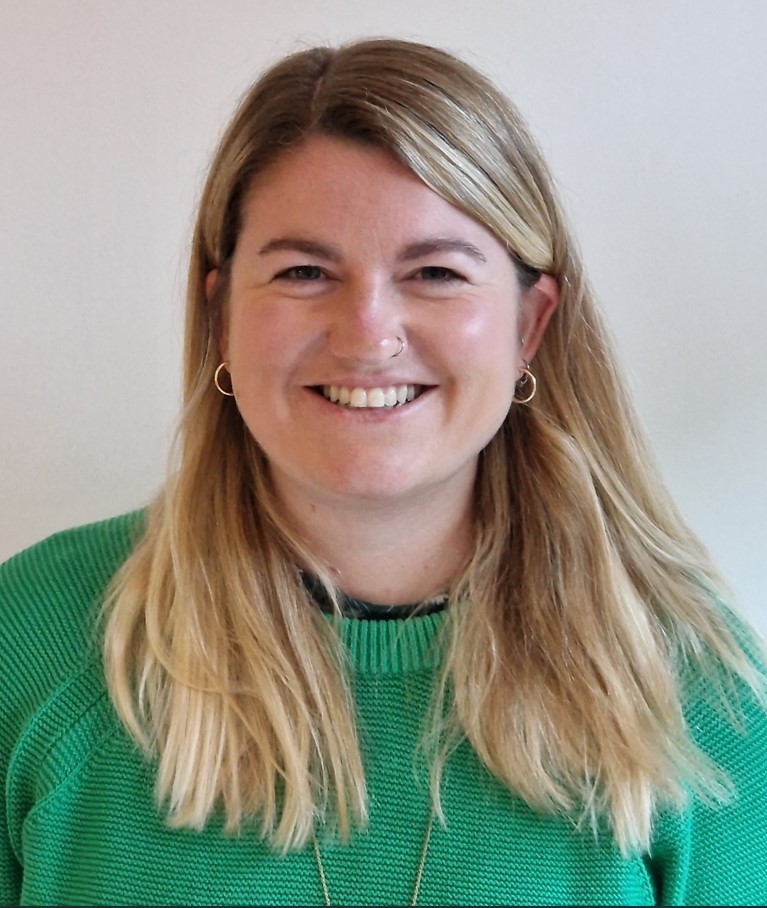
By Penny Fenton, Senior Transformation Programme Manager at Sussex Partnership NHS Foundation Trust, and Martin Dominy, VCSE Lead in Brighton & Hove and East Sussex for the Community Mental Health Transformation for Adults and Older Adults Programme.
When we began the journey to establish Neighbourhood Mental Health Teams (NMHTs) across Sussex, we described it as a once-in-a-lifetime opportunity - and that’s exactly what it’s proved to be. Years of collaborative groundwork and trusted relationships between Sussex providers has created a new way of working that truly puts people and communities at the heart of mental health care and support.
Why we started: a shared vision for change
Sussex has a long history of innovation and partnership in mental health. Yet despite examples of great practice, people consistently told us the same thing: finding the right support at the right time could be confusing and fragmented, often leaving them having to retell their story to multiple providers.
The NMHT vision - aligned to the NHS 10 Year Plan and Sussex' Improving Lives Together strategy - set out to change that. We wanted to create a 'no wrong front door' approach: a model where people can describe their needs and be supported without having to understand organisational boundaries. At the same time, we wanted to make care more consistent across Sussex, recognising that people’s experiences of support could vary depending on where they lived.
This transformation is about more than structures or services though. It’s about culture, connection, and the courage to do things differently, together.
Designing change together
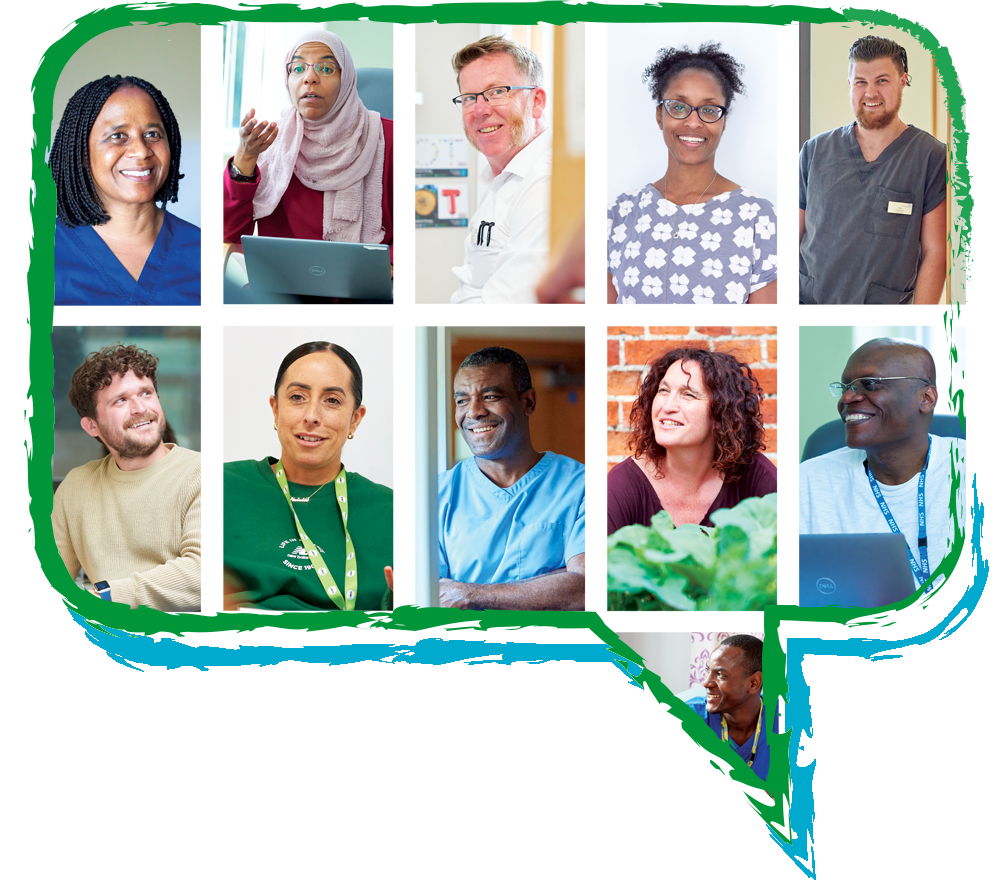
From the start, co-design has been a guiding principle. We brought together clinicians, voluntary and community sector (VCSE) partners, experts by experience, and people working in services to design a NMHT model that felt real, practical and rooted in lived experience.
This collaboration wasn’t a one-off workshop - it was a process of honest conversations, challenge, creativity and compromise. It was also one of the most enjoyable and productive parts of the journey. The time we invested has paid off: the model that emerged is stronger, more inclusive and better informed.
Partnership in action
True partnership has been both the greatest challenge and the greatest success of this transformation programme.
Bringing together the NHS, the voluntary and community sector, experts by experience, GPs and other partners to support development of a shared model of care and support required trust, persistence and a willingness to let go of organisational boundaries. It’s meant moving from 'my service' to 'our system'.
Relationships have been the foundation of everything we’ve achieved. Years of joint working - for example, through the Emotional Wellbeing Service, where NHS clinicians and VCSE organisations such as Southdown and Pathfinder West Sussex work alongside GPs - gave us a strong base to build from. Development of our NMHTs has taken those partnerships further, formalising and deepening the collaboration. We’ve learned that partnership isn’t defined by a document or a meeting - it’s built through people showing up, having honest conversations, and staying the course even when the system feels complex.
We haven’t always had the resources to fund lived experience involvement in the way we’d like, but the commitment to that principle has never wavered. People with lived experience have shaped our governance, influenced our language, and challenged us to stay true to our purpose. That work continues - in implementation, in evaluation, and in the ongoing evolution of our NMHTs.
Cultural change takes time, but the impact is tangible. We now see shared governance, shared policies, and a shared database emerging across providers. This isn’t just a technical shift; it’s a symbol of trust and alignment. We’re not just working side by side; we’re working as one team.
Mobilisation to date
Mobilisation of the NMHTs is well underway, with teams across Sussex strengthening relationships and embedding new meeting structures that support truly integrated working - with growing engagement from GPs.
Development days held across Sussex have supported this cultural shift, giving teams space to build trust, explore new ways of working, and shape a shared sense of purpose.
System ways of working are being steered by a Standard Operating Procedure, with an agreed interim approach to replace the Care Programme Approach and work well underway to finalise the service specification and a Collaboration Agreement to support partnership working.
Additional progress includes work to actively align NMHTs with Integrated Care Teams and ongoing SystmOne EPR (Electronic Patient Record) planning and training.
Together, these steps reflect a coordinated and committed effort to bring the NMHT model to life and have laid the foundations for an integrated, collaborative, and person-centred way of working.
Navigating challenges: resilience in action
Transforming mental health care and support while navigating national change, funding pressures, and workforce challenges hasn’t been easy.
Teams have stayed resilient by supporting each other, holding onto the shared belief that what we’re doing will make things better - for people using services and for those delivering them. It’s not always been smooth: we’ve had to renegotiate expectations, adapt to financial constraints, and stay flexible as national policy shifted around us.
As we’ve navigated challenges, we’ve discovered the importance of compassionate leadership and honesty. We’ve learned to listen with openness rather than defensiveness, to acknowledge our mistakes, and to celebrate every success - no matter how small.
Looking back with pride
When we look back, what we’re most proud of isn’t a policy, a structure or a document - it’s the people. The people who kept the vision alive throughout. The people in our services who continue to drive this change because they believe in what it means.
To everyone who has played a part - whether through co-design, governance, or frontline delivery - thank you. Together, you’ve built the foundations of something remarkable: a model of care that is compassionate, collaborative, and rooted in community.
The journey continues, but together, we’ve already moved the dial.
What’s next
As we look ahead to Spring 2026 and beyond, our focus is on deepening and expanding what we’ve built so far.
- Optimise and fully mobilise our Neighbourhood Mental Health Teams - making them truly local, with strong partnerships rooted in community life. We’ll continue to evolve based on feedback and outcomes, reducing variation and ensuring that every community benefits from a joined-up, consistent approach.
- Integrate with wider care teams - working alongside Integrated Care Teams to provide seamless, 24/7 support for both mental and physical health needs. In time, will we have 'Neighbourhood Mental Health Teams' or simply 'Neighbourhood Teams' that embed mental health as a core part of holistic care?
Whatever shape this next phase takes, the direction of travel is clear: care that is closer to home, better connected, and truly centred around the people and communities of Sussex.
15 Neighbourhood Mental Health Teams have been set up across Sussex to provide joined-up, person-centred support. The teams bring together local NHS mental health services, voluntary organisations and GPs to connect people to the support they need. Visit www.sussexpartnership.nhs.uk/neighbourhood-mental-health-teams for more information.