
23 February 2026
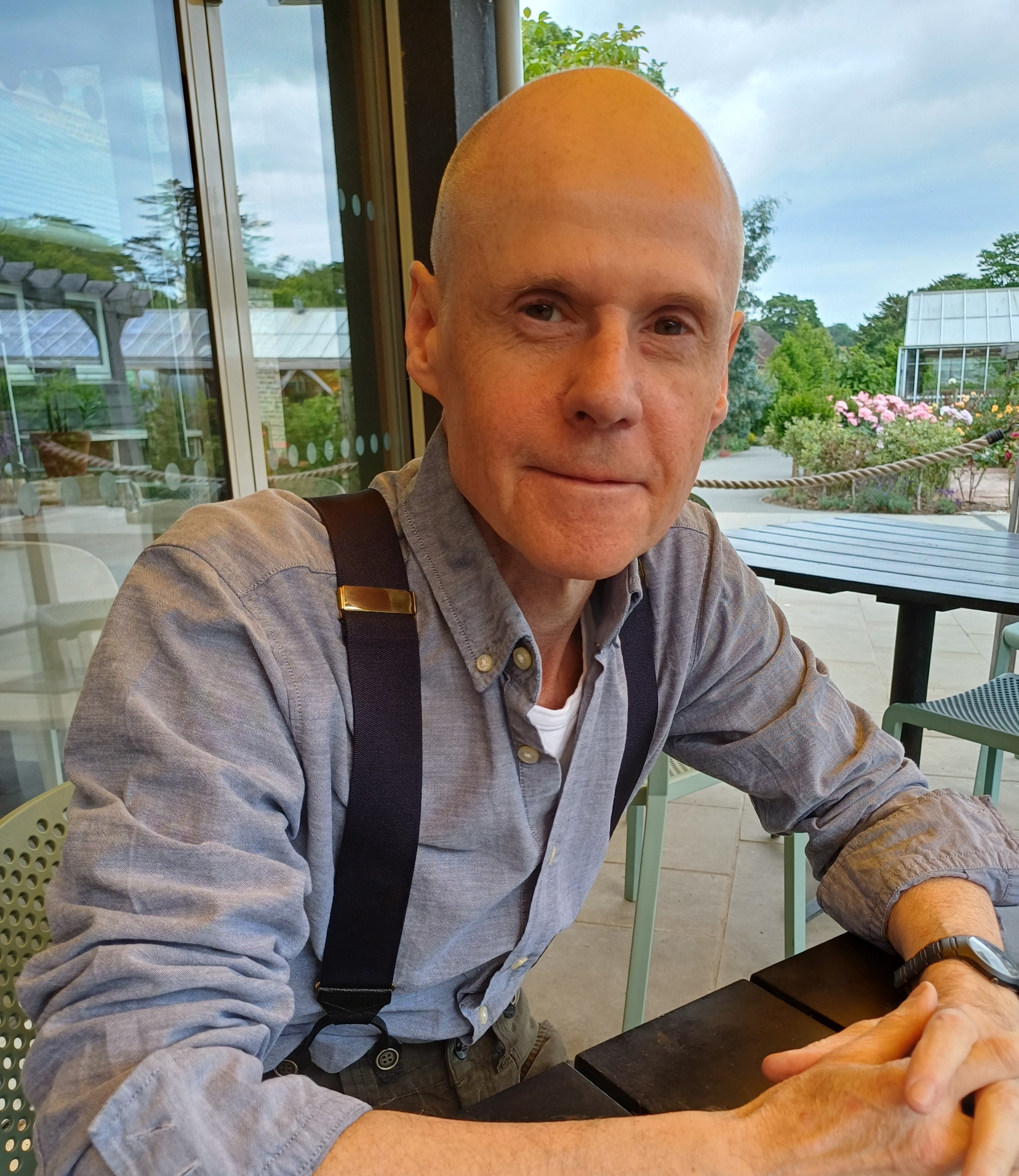
Bradley Peet, Locum Specialist Doctor in Psychiatry for the Sussex Eating Disorders Service writes a blog on the value of community, the realities of eating disorders and challenging stigma.
Every year, Eating Disorders Awareness Week (EDAW) invites us to reflect on the realities of eating disorders, challenge stigma, and broaden public understanding.
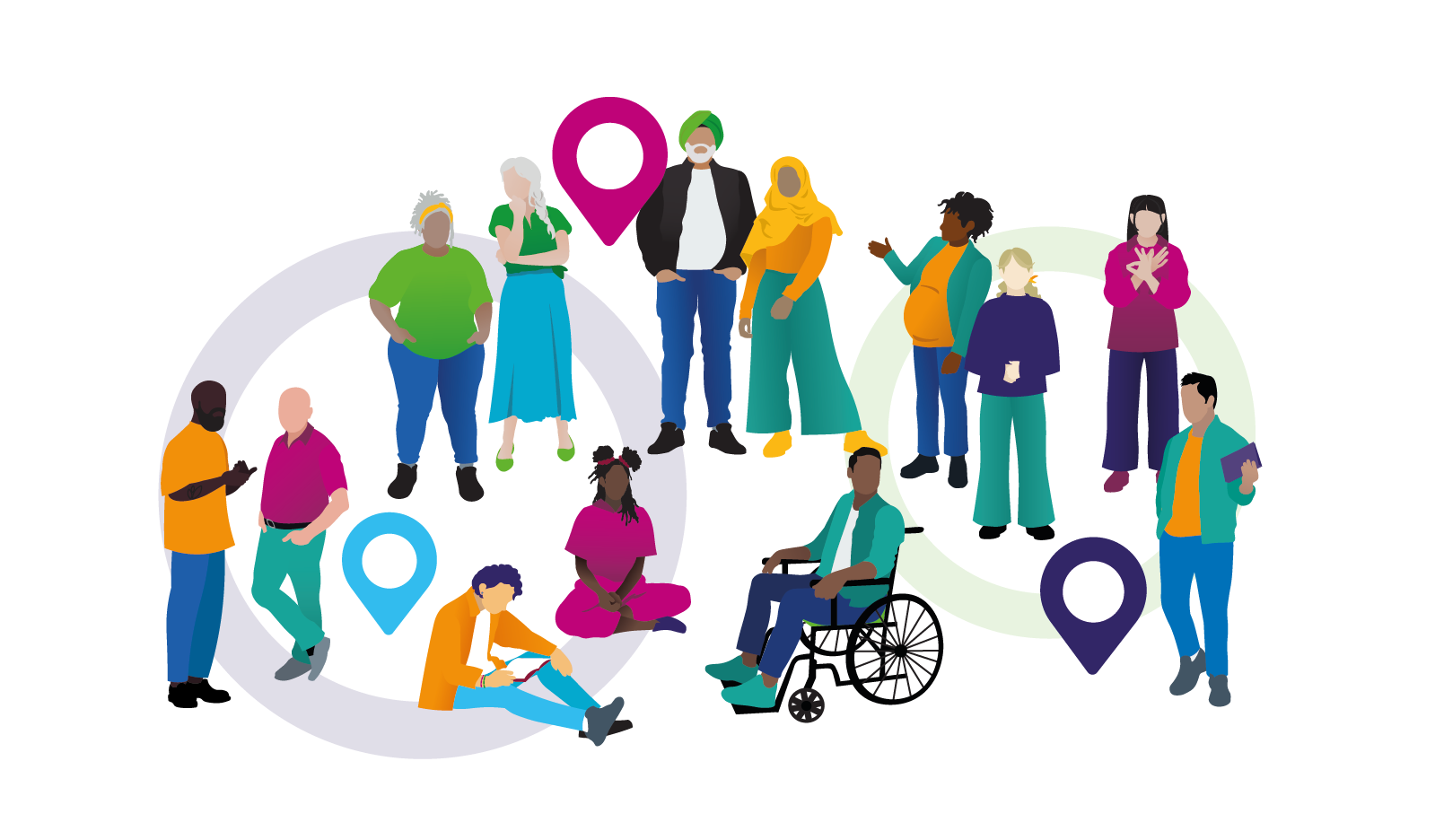
In 2026, the theme is “Every BODY Belongs”, a message that reminds us that eating disorders affect people of every size, age, gender and background. This campaign aims to push back against outdated stereotypes and ensure that no one feels excluded from support, compassion, or treatment.
This theme is particularly important because eating disorders are still widely misunderstood. They are not conditions tied to a single “look” or body type. In the UK alone, around 1.25 million people live with an eating disorder at any given time, and the majority do not fit the narrow visual stereotypes people often imagine. Weight or appearance alone cannot determine someone’s wellbeing; eating disorders are serious mental health conditions shaped by a combination of psychological, biological, and social factors. Many people struggle invisibly, and assumptions about how an eating disorder “should” look can delay someone getting the support they deserve.
The belief that “Every BODY Belongs” helps dismantle that harm. When people see diverse bodies represented in awareness campaigns, they’re more likely to recognise their own struggles and feel empowered to seek help. It also reinforces an essential truth: everyone deserves care, regardless of how they present on the outside.
This year’s campaign adds a second powerful message: the importance of community, and the idea that healing becomes more possible when people don’t face their illness alone. Eating disorders thrive on secrecy and shame, making isolation one of their most damaging companions. Community - whether family, friends, peers, or online support groups - has the power to interrupt that isolation. Supportive networks play a crucial role in helping individuals feel understood, connected, and less alone during their recovery journey.
Community helps in several meaningful ways. Simply having someone to talk to, a friend who listens without judgement or a peer who shares lived experience, can break through the loneliness that often deepens disordered thoughts. Hearing others’ recovery stories can spark hope and serve as a reminder that improvement is possible, even when the path feels uncertain. Personal narratives, shared openly and safely, make people feel seen and reduce stigma for everyone.
Community also plays a practical role in encouraging early helpseeking. A supportive circle may be the difference between someone suffering silently and someone reaching out to their GP or joining a support group. Early recognition significantly improves outcomes, and many people take that step only after someone close to them expresses care, concern, and acceptance.
Across the UK and internationally, this year’s Eating Disorders Awareness Week is emphasising community-based activities; webinars, discussion sessions, online support groups, and social media campaigns designed to unite people and amplify shared learning. These initiatives help build spaces where individuals can come together, ask questions, and support one another. Organisations are also hosting groups focused on healing, connection, and embodied practices, recognising that recovery benefits from safe places to explore thoughts and emotions without judgment.
For the rest of us, supporting the message that “Every BODY Belongs” doesn’t require grand gestures. We can make a real difference simply by using kinder, more inclusive language; avoiding comments about weight, shape, or food choices; and sharing reputable information about support options during the awareness week. Even small actions; encouraging someone to attend a support group, amplifying livedexperience stories, or challenging casual bodyshaming comments; contribute to a wider culture of acceptance.
Eating Disorders Awareness Week 2026 is a reminder that belonging isn’t optional - it’s vital. When people feel welcomed, understood, and supported, barriers to care become smaller and the path toward recovery becomes clearer. Communities help hold hope when individuals struggle to hold it for themselves.
And that’s why this message matters so much: Every BODY truly does belong — and recovery becomes stronger when we belong to each other.