4 March 2026
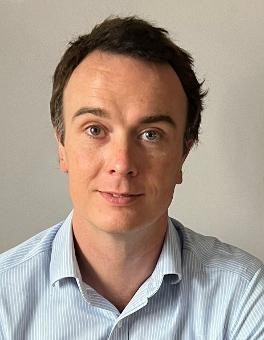
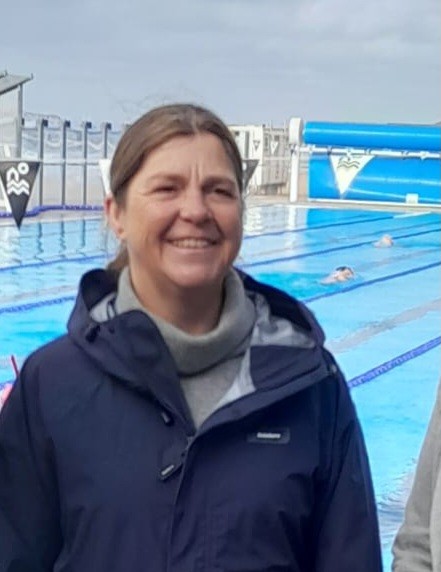
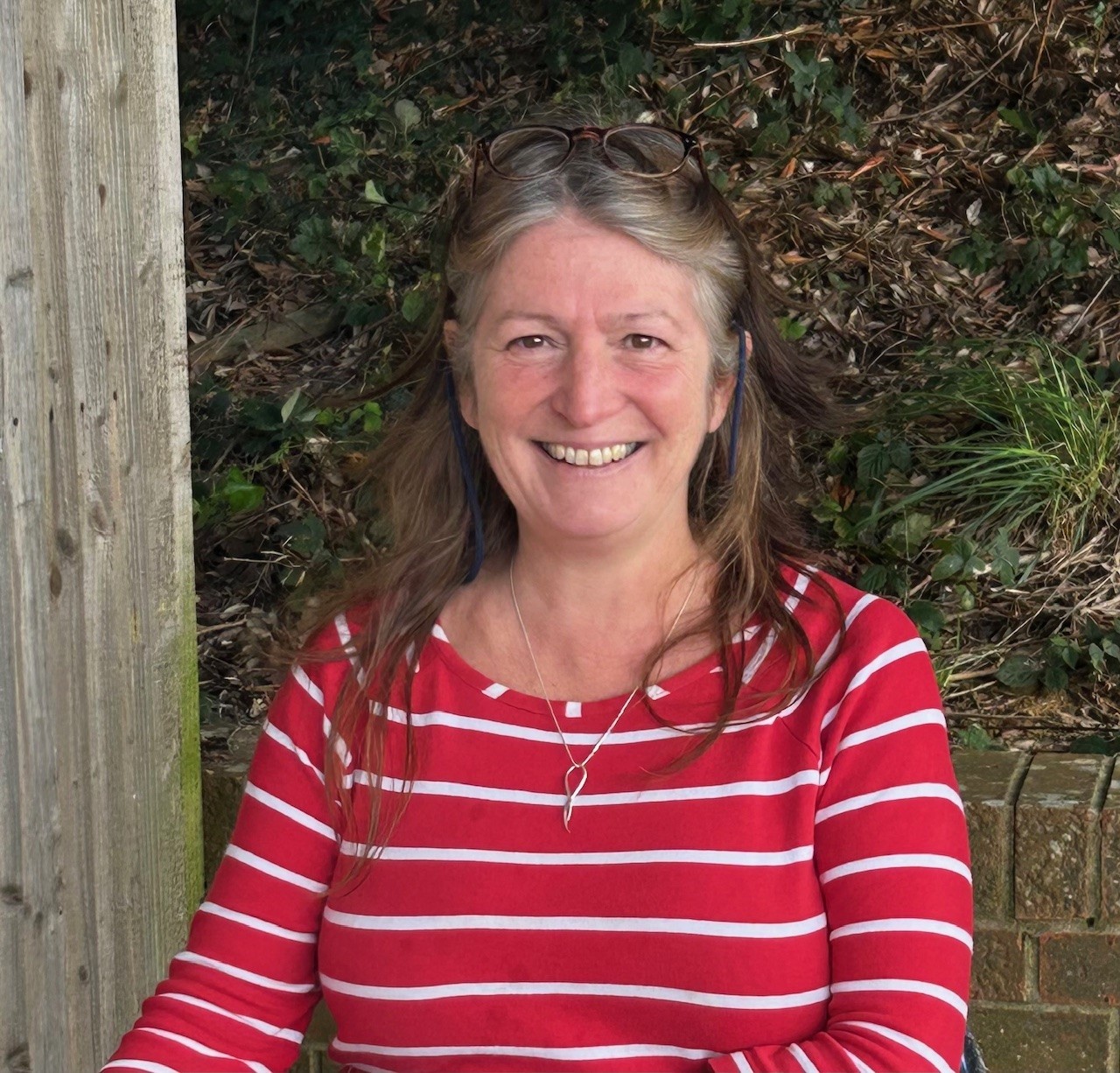
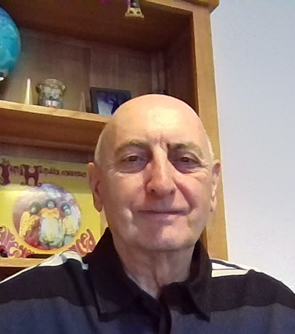
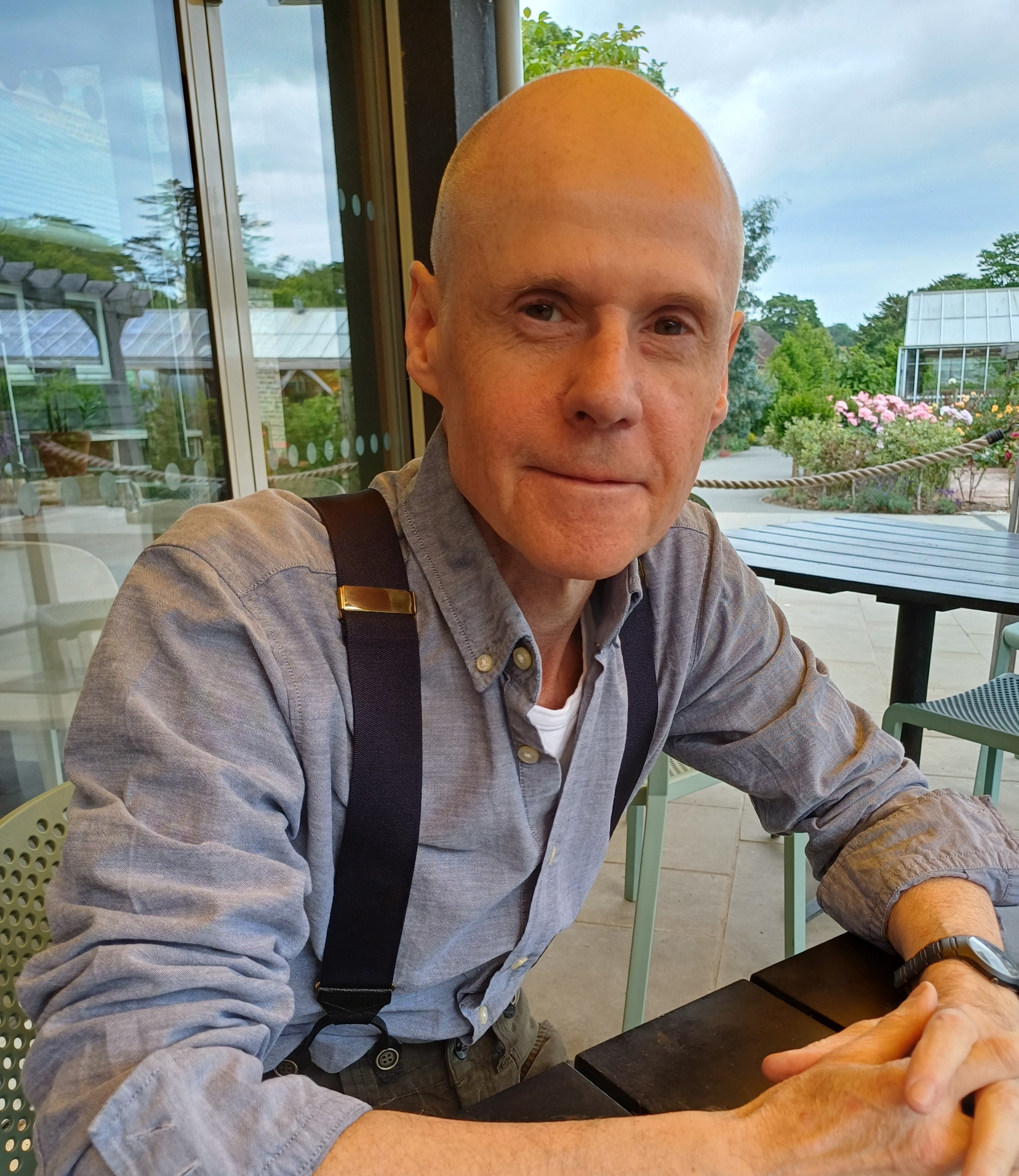
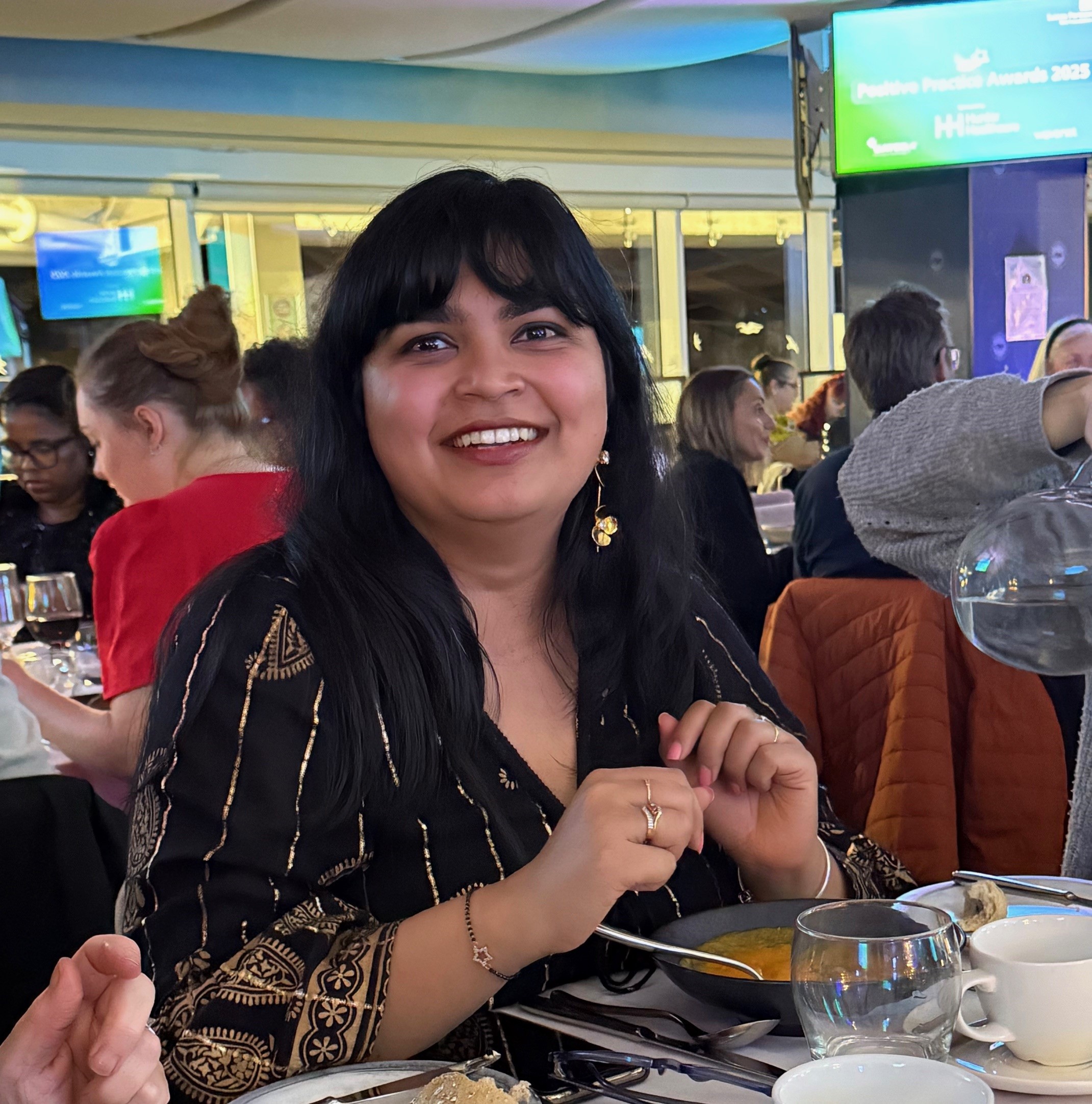
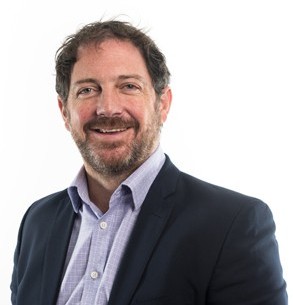
Dr Ranbir Dhillon, a GP in Worthing, West Sussex
I’ve been a GP for around 20 years now, and one thing that has been consistently challenging over that time is navigating mental health services - not because people aren’t committed or skilled, but because the system has grown increasingly complex. For a long time, there have been multiple referral routes, different thresholds, and long waiting times. Quite often, referrals would get bounced back, which meant more time explaining things to patients, redirecting them, and starting again. That’s frustrating for clinicians, but even more so for patients.
As Primary Care Networks developed, we started to see more support in the community. We commissioned third sector services like West Sussex Mind, used social prescribing funding to bring in mental health workers, and later saw the Pathfinder West Sussex service come in. Each of these things helped, but they also added more layers. For patients with complex needs - dual diagnosis, neurodiversity, substance misuse, or those already known to secondary care - their journey could easily become fragmented. What we were seeing was people slipping through the net.
That’s really where the idea of the Neighbourhood Mental Health Team huddles came from.
These patient-focussed, multi-agency meetings help people get the support they need. We needed somewhere GPs could go to sense-check things before making a referral, or to understand what was going on when another service was already involved with a patient. We don’t always get updates from crisis teams or other services, so having a way to touch base and join the dots felt crucial.
From the outset, SPFT have been brilliant to work with. In Worthing, we’ve been very lucky with the consistency of the team showing up regularly. That continuity really matters. In my view, what’s made the biggest difference is having access to consultant input. That’s been hugely valuable, both for patient care and for GP confidence.
One of the first practical challenges was timing.
It sounds simple, but finding a meeting time that works across primary care and mental health teams is hard. Our working weeks and rotas are very different. We tried early mornings, then adjusted, then added a Tuesday lunchtime session. We also brought in older people’s mental health on a Tuesday, which has been a really positive development, although it did take a bit of promotion to get uptake going. That flexibility has been key. There’s never a perfect option that suits everyone immediately, so you have to try things, tweak them, and keep going.
We were also really clear that this needed to be a soft-touch model. There’s no clunky referral form. You just turn up, bring an NHS number, put details in the chat, and talk the case through. That drop-in feel makes a huge difference. GPs are busy, and if something feels administratively heavy, people just won’t engage.
In terms of uptake, there have been practices that really helped get this going by coming with lists of patients early on. That momentum mattered. Over time, it’s become embedded. I honestly can’t remember many sessions where no one turned up, and now it’s just in people’s diaries.
Personally, one of the biggest things I get out of the huddles is learning.
I’ll hear a consultant explain, for example, how they talk to patients about group therapy and why it might still be helpful even if someone has tried it before. I’ve taken those phrases and ideas straight back into my own consultations. Those small nuggets are incredibly useful. It also helps us decide whether we should be holding a patient in primary care, pushing for follow-up, escalating something, or changing direction altogether. Medication advice, in particular, has been really helpful.
From a patient perspective, I think the biggest benefit is how it feels to them.
I can say, “I don’t know the answer yet, but I’m going to talk to the mental health team tomorrow and then I’ll call you back.” That lands really well. Patients want to feel heard and to know that their care is joined up. What’s interesting is that even when the outcome doesn’t change - when you’re essentially reinforcing an existing plan - the fact that you’ve spoken to the mental health team and then gone back to the patient makes a difference. They can see that there’s a team around them, rather than isolated services working in silos.
Looking ahead, I think there’s real potential to develop this further.
For certain cases, particularly around dual diagnosis, it would be useful to plan ahead and bring in services like drug and alcohol teams. Learning disability and dementia services are also really important in our local population, especially in Worthing. You don’t need everyone there all the time, but having a true MDT conversation when it’s needed could really help prevent people being bounced around.
Change is hard for GPs - not because we don’t want to change, but because everyone is stretched. What’s worked here is keeping things simple, making it easy to attend, and ensuring that when you do turn up, it’s genuinely worth your time. This way of working reduces workload in the long run and, more importantly, improves care for patients. For me, that’s what makes the Neighbourhood Mental Health Team huddles such a valuable part of how we now work in Worthing.
Neighbourhood Mental Health Teams (NMHTs) bring together local NHS mental health services, GPs, and community and voluntary organisations to offer joined-up, personalised mental health support. More information is available here: Neighbourhood Mental Health Teams