
10 April 2026
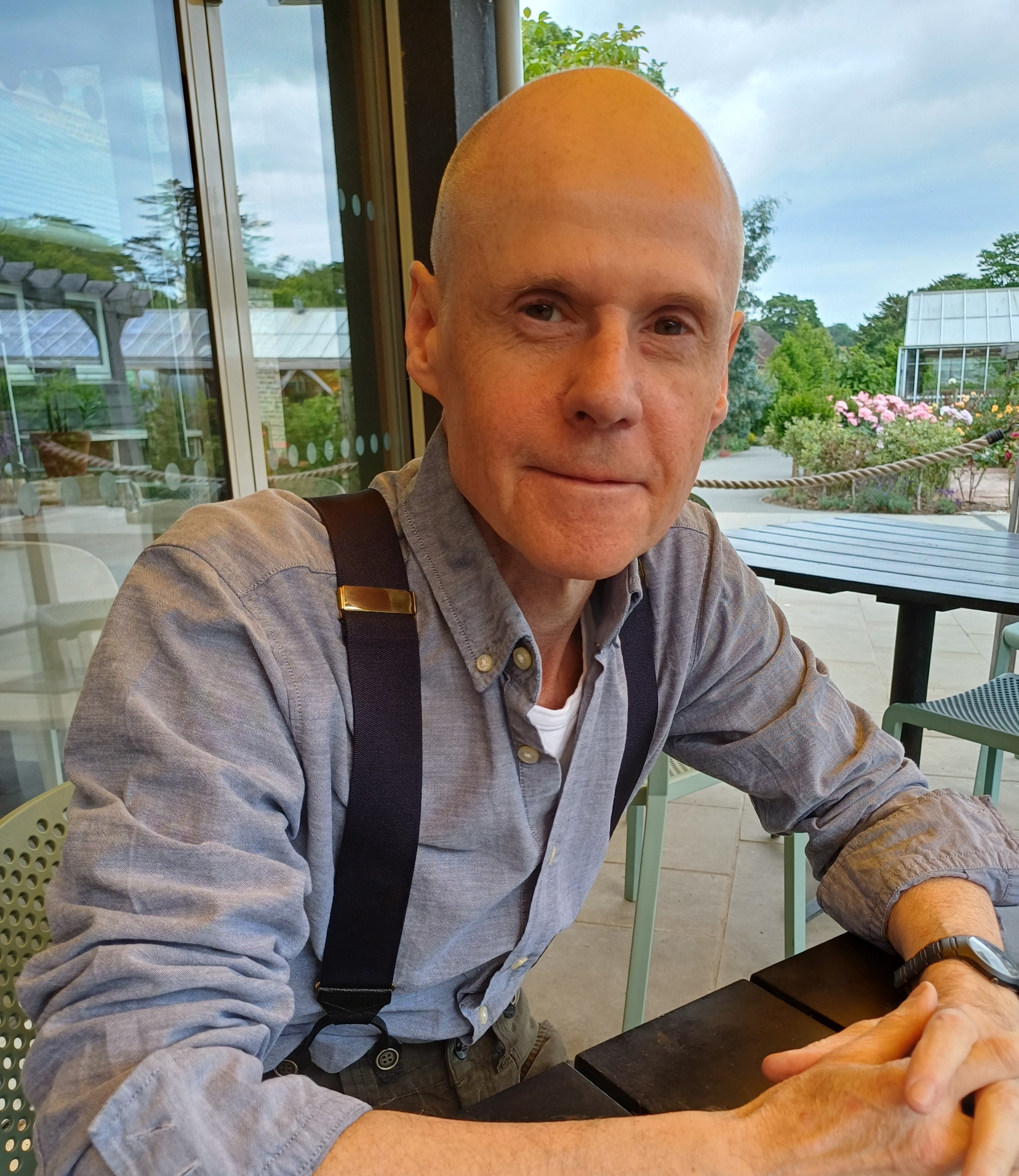
Robert Marx from Sussex Mindfulness Centre blogs about the importance of silence.
"Silence is not always the first thing we consider when we think about how to lead a happier life. We tend to associate silence with having to "be quiet”, as a kind of restraint or constriction on our freedom that might have been imposed on us as children by a teacher or a parent.
By contrast, when we think of enjoying ourselves, we might think about talking, laughing and engaging in a verbal way with other people. And yet, recent research has linked noise pollution to the activation of stress reactions, increases in cortisol and adrenaline levels, hypertension, anxiety, depression and impaired sleep. Our modern world is constantly bombarding us with some kind of noise, whether it is the sound of traffic, other machines such as computers, fridges, heaters and fans, or clocks, as well as unwanted neighbour noise and other people's music.
Of course there is a place for speaking. Nevertheless, I know for myself that periods of silence are incredibly important for my mental health. We in Sussex Mindfulness Centre have been running silent day retreats or "all days" for Sussex Partnership staff and service users for over 20 years. Access to these days is free for anyone who has done an eight week mindfulness course. When people first hear that the whole of these retreat days are held in silence, including the coffee and lunch breaks, they understandably feel a little nervous imagining how they could be silent all day with a group of people.
However, at the end of the day, there are always some people who do not want to end the silence and opt out of the option we give them to speak. It is also not uncommon for people to find that after a few hours they really settle into the silence and come to really enjoy it. For example, eating lunch in silence means that we often really taste and appreciate our food much more and are more attuned to our body's signals of continuing hunger or fullness. As the mind settles down into the silence, we are also more able to notice some of the details around us, such as light, or trees or someone's smile that we might simply pass by if we were more distracted by talking.
It is true that being silent for extended periods is not always simply a walk in the park. Just because we stop speaking out loud, this does not mean that our mind stops speaking internally, and we find that we are more able to notice in the silence the habitual patterns of the mind. Some of these patterns are not easy to be with, for example self-critical narratives or the negative lens that we might view our experience through. However, seeing these patterns is the first necessary step towards considering whether and how we might want to invite them to change.
We can also see how much we tend to rely on external stimulation to manage our own emotions. For example in my case, I often have the radio on, often listening to the news, whilst I'm cooking or eating - if I'm on my own. Whilst I generally feel that I enjoy doing this, when I am on retreat and turn off the radio, I notice the sense of absence that comes up when I am left with myself and my food without any other way of stimulating my mind. I notice how addicted I have become to having an over-stimulated mind and how this chronic over-stimulation can maintain a low level of anxiety and agitation in my body. As you read this, I wonder what your equivalent to the radio might be ?
One of the most surprising things about the experience of being on a silent retreat, even for one day is the experience of feeling beautifully connected with the other people that you have spent that time with, even though we have not exchanged a word. We can also see this sometimes with our pets or infant children who do not speak to us but still communicate and form close relationships with us without words.
If you would like to experience silence in the context of a mindfulness or compassion event, we would love for you to join us. We have a number of different mindfulness and compassion-based groups that you can join, and once you have completed one of those you will be able to attend indefinitely the mostly free day retreats that we hold several times a year. We also have conferences, master classes, training programmes, compassionate leadership training and support bespoke organisational events such as team days and taster sessions. For more info information please visit the Sussex Mindfulness Centre website at https:/