
The Improving Mental Health Information in Sussex survey, was first undertaken in November 2023 to gain insight into the barriers that people face when finding and accessing mental health support and opportunities for improvement.
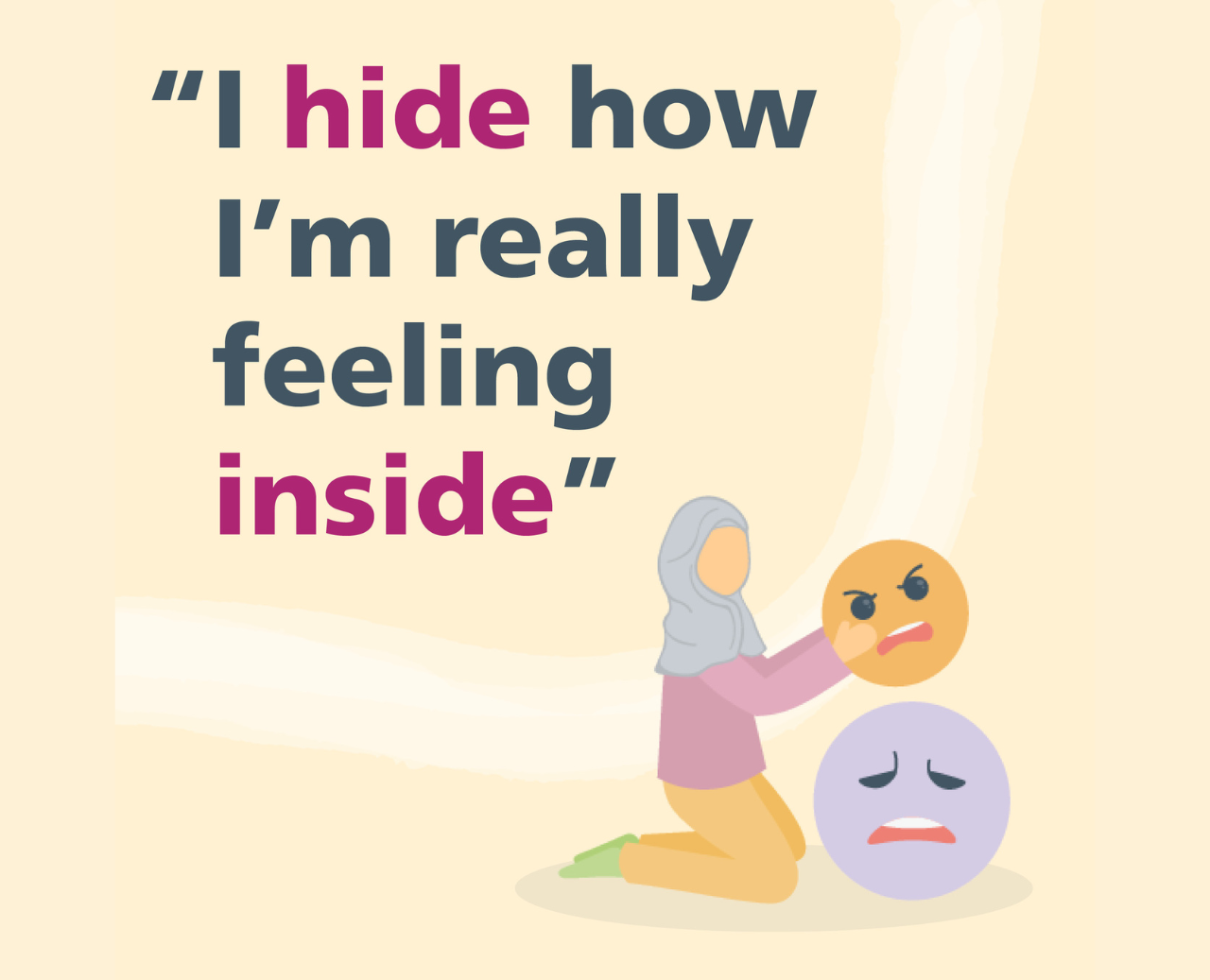
Following the co-production of consistent mental health signposting information in July 2024 and the launch of the How Are You Really Feeling? campaign in late 2024, the survey was reissued in May 2025 to measure progress.
Key findings
The May 2025 survey received 361 responses, with 228 individuals reporting that they had looked for mental health support in the last 12 months. Respondents were from across Sussex, with a notable majority identifying as female (80.65%) and aged between 45 - 64 years. The data highlighted some underrepresented groups, such as young people and male respondents, indicating the need for more inclusive research in the future.
- Is it easier to find help now?
Respondents were asked whether they think it's easy to find mental health support in Sussex. In 2023, just 11% said yes. That figure has risen slightly to 17.46% in 2025, suggesting slow but positive progress. However, 74.56% still feel that accessing support remains difficult.
Nearly half (47.21%) of respondents rated their experience of finding and accessing support as difficult, and only one-third had a relatively easy experience. Comments from respondents highlighted ongoing confusion about where to go, long waiting times, and difficulties navigating multiple services.
- How are people seeking help?
Online resources (59.5%) and GPs (53%) remain the most common starting points for seeking support. Notably, contact with 999 or A&E has dropped from 17% to 12.5% - a potential sign of better early intervention or increased awareness of non-emergency options.
3. What are people struggling with?
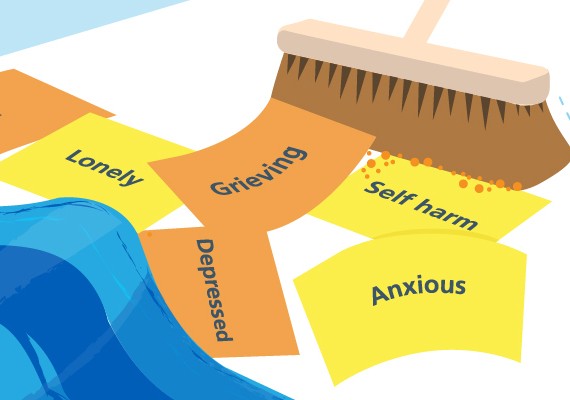
Depression, anxiety, and suicidal thoughts remain the most common issues experienced by those seeking help. The most significant increase was in people reporting low mood or depression - rising from 79% in 2023 to 85.2% in 2025. Loneliness and social isolation also saw a notable increase, jumping by over 5%.
4. What services are being used?
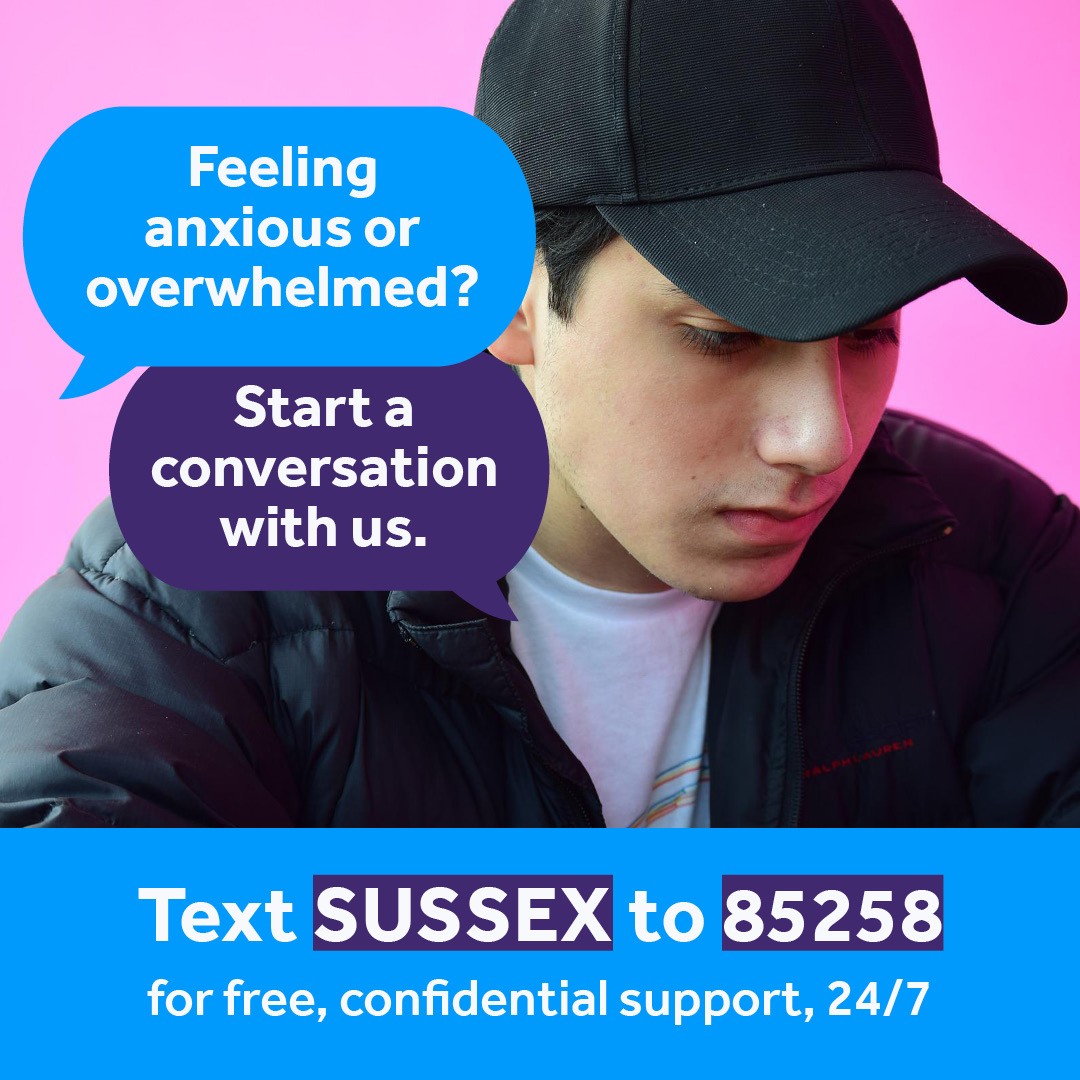
Talking Therapies emerged as the most frequently accessed support, particularly in East Sussex, followed by NHS 111 'select the mental health option'/Sussex Mental Healthline. There was an increase in the use of services like Staying Well and Text Sussex, and voluntary services such as West Sussex Pathfinder and UOK saw good engagement too.
5. Neurodivergent experiences
Neurodivergent respondents shared that they often experience emotional exhaustion, sleep issues, and heightened worry when struggling with their mental health. Respondents tended to identify more with emotional states than clinical symptoms, suggesting a need for more person-centred, feelings-based communication.
Actionable opportunities
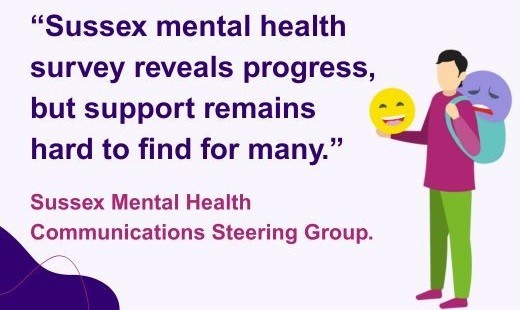
While the data shows some encouraging signs - particularly fewer people reaching crisis point before seeking help - the message is clear: access remains too difficult, especially for those navigating multiple services or dealing with complex needs.
Based on the survey’s findings, the Sussex Mental Health Communications Steering Group has outlined several recommendations to guide future improvements:
- Continue to work collaboratively to improve visibility and clarity of mental health service information, especially self-referral options, wait times, and intended audiences for each service.
- Maintain focus on prevention by promoting services like Talking Therapies, Text Sussex, and community VCSE support to reduce crisis situations and A&E admissions.
- Support GPs with clear signposting materials to help patients navigate mental health services.
- Use non-clinical, relatable language in communications that reflect how people describe their experiences, rather than medical terminology.
“While it’s encouraging to see some signs of progress, the reality is that too many people across Sussex are still finding it difficult to find and access the right mental health support when they need it most. We’re incredibly grateful to everyone who took the time to share their feedback through the survey - your insights have been invaluable. They will directly inform how we continue to improve and refine mental health signposting and promotional materials, to make information clearer, more accessible, and more relevant for everyone in Sussex.” - Martin Dominy, Chair for the Sussex Mental Health Communications Steering Group.