
1 April 2026
Sussex Partnership NHS Foundation Trust is highlighting a major new editorial in the British Journal of Psychiatry, calling for a step change in how psychiatrists recognise and respond to neurodivergence across all areas of clinical practice.
The editorial, “The elephant in the room: neurodivergence in psychiatry”, brings together a leading group of experts from across psychiatry, research, clinical services and the voluntary sector.
The authors argue that neurodevelopmental conditions - including ADHD (Attention Deficit Hyperactivity Disorder), autism and tic disorders - are highly prevalent across psychiatric populations, yet frequently overlooked.
Failure to recognise this can lead to an inaccurate diagnosis, ineffective or poorly tailored interventions and increased risk of crisis or relapse.
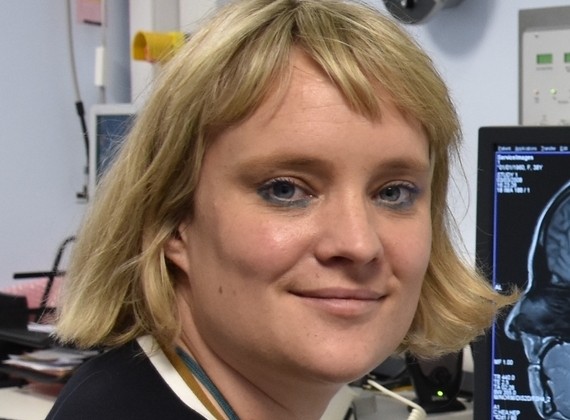
Hugo Critchley, one of the lead authors of the study and Professor of psychiatry at Brighton and Sussex Medical School (BSMS) said: “This editorial challenges us as psychiatrists to recognise that neurodivergence is not peripheral to our work - it is central to it.
"Conditions like ADHD and autism are common across our caseloads but too often go unrecognised. The authors argue that by improving awareness, upskilling the workforce and redesigning services, we can deliver more effective, personalised care and better outcomes for patients.”
While ADHD is a key example, the editorial emphasises that the issue extends across the full spectrum of neurodivergence, including autism, tic disorders (including Tourette’s) and language and developmental differences, which often overlap considerably. This highlights the need for clinicians to be trained to recognise all neurodevelopmental conditions across the lifespan, and across psychiatric specialties and how expressions interact with each other and psychiatric disorders.
This editorial emphasises that psychiatrists - across all subspecialties - are already working with neurodivergent patients every day, often without fully recognising it.
They argue that diagnosis and understanding of these conditions should be part of core psychiatric skillsets with more confidence in identifying ADHD and autism being essential.
The editorial outlines compelling evidence that recognising and treating neurodivergence can reduce suicide risk and self-harm, improve engagement with treatment and lower long-term healthcare and societal costs.
However, these benefits depend on timely identification and appropriate intervention.
Clinicians at Sussex Partnership have contributed to and support the paper’s findings, which align with ongoing work across the region to redesign pathways for people with neurodiverse needs.
As part of the wider Sussex approach to improve access to neurodevelopmental assessments and support, we are working with colleagues across the healthcare sector to launch a pilot project to provide ADHD assessments for adults in primary care. The pilot is in its early stages and is delivered through GPs and clinicians with bespoke training in neurodevelopmental conditions and provided with Sussex Partnership's clinical oversight. The intention is to evaluate this approach and, if successful, adapt it for other areas of neurodivergence across Sussex. This pilot is a model for change. It shows what innovative neurodevelopmental services could look like in the future.
“The elephant in the room: neurodivergence in psychiatry” is an editorial published in The British Journal of Psychiatry (2026). It reflects expert consensus and clinical perspective rather than reporting new primary research.
The paper brings together leading contributors from across UK psychiatry, academia and lived experience, including clinicians and researchers affiliated with Sussex Partnership NHS Foundation Trust and Brighton and Sussex Medical School.
- Neurodivergence refers to naturally occurring differences in brain development and function, including conditions such as ADHD, autism and tic disorders. These conditions are highly prevalent in psychiatric populations and often co-occur with mental illness.
- The authors emphasise that improving recognition of neurodivergence, alongside workforce training and service redesign, has the potential to improve clinical outcomes and deliver wider societal and economic benefits.
- ADHD Primary Care Connect is a GP-referred Sussex pilot supporting improved access to adult ADHD assessment and care in primary care, delivered by trained clinicians with clinical oversight from Sussex Partnership. The service is currently in a pilot phase and has not yet been formally launched publicly. Further information is available here: https://
sussexpcpc.org/ our-work/ adhd-primary-care-connect-service