
6 May 2026
Several teams from Sussex Partnership recently took part in a 'Dragon's Den' style bid for funding for innovative projects to support people who have been admitted to an inpatient unit.
Teams were invited to pitch to a virtual panel of 'dragons' represented by staff and Experts by Experience for funding of up to £10,000.
Project ideas included designing sensory gardens and rooms, purchasing interactive projectors to help prevent cognitive and physical decline and reduce distress, and creating a suitcase of sensory items.
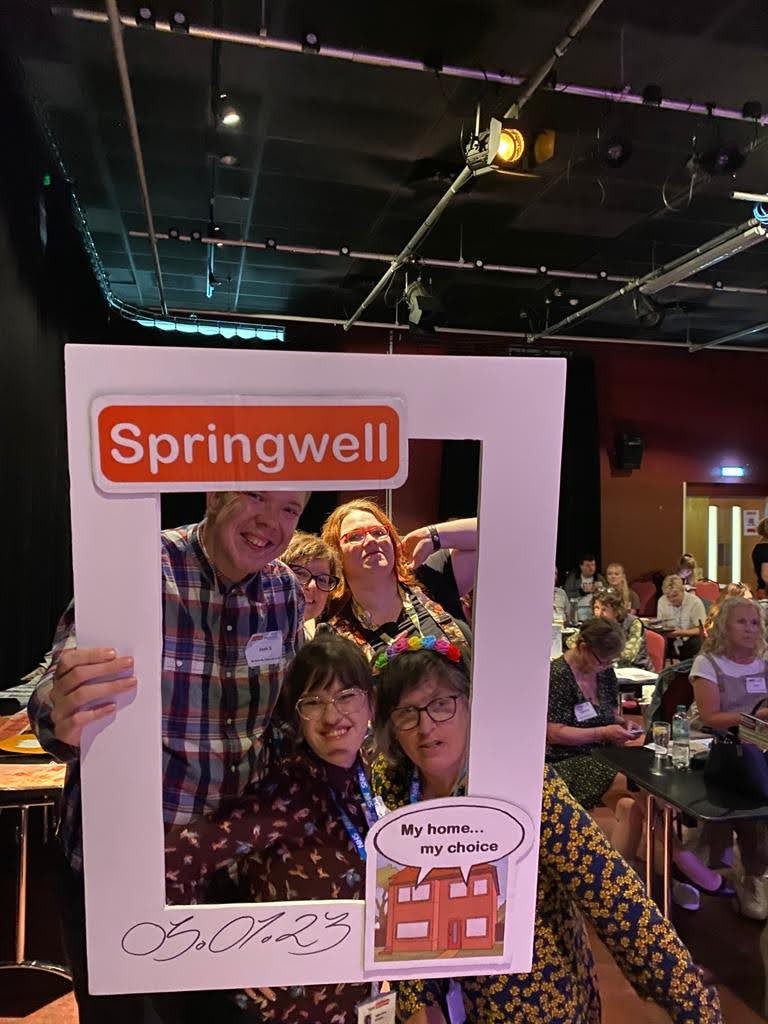
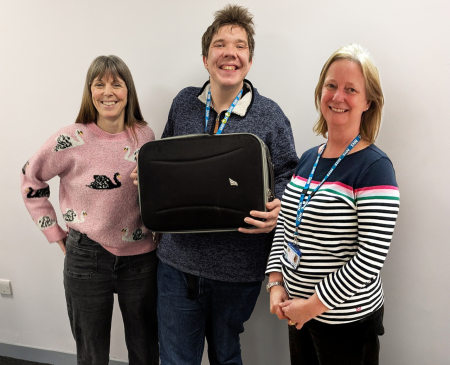
Jodie Ide, an Occupational Therapist and Kirsty Taylor a Speech and Language Therapist, along with Josh from Team Springwell, presented their idea to the 'dragons' for a sensory suitcase and specific communication tools for people with learning disabilities.
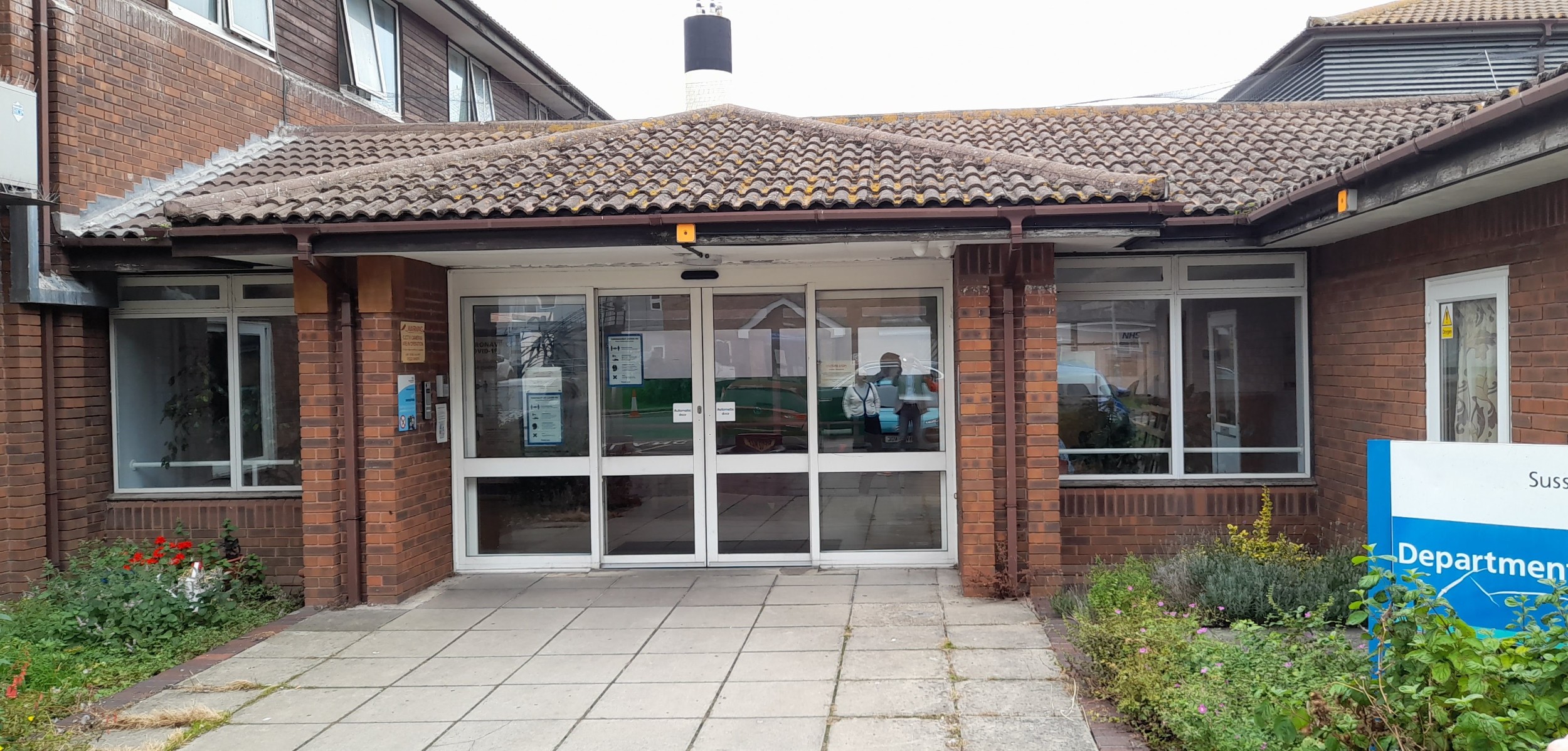
The idea stemmed from the ‘Check Us Out’ project, delivered by Team Springwell, a group of experts with experience of learning disability and complex physical and mental health. They were invited in to help identify opportunities for improvement at the Selden Centre, which supports people who have a learning disability who need to be admitted to hospital. The team identified that sensory needs were often high among people supported by the Selden Centre, but many were unable to access the static sensory room, due to distress, unfamiliarity with the space, or risk‑related restrictions.
The suitcase, which will contain a range of items, including tactile objects, weighted products and visual sensory tools, is designed to be wheeled around the ward and used during visits with families to provide opportunities for safe, meaningful engagement.
“Patients at Selden often have highly complex sensory needs but may not be able to access the sensory room when distressed. Having mobile, tailored resources means sensory support can be delivered where the person feels most comfortable, helping reduce distress, support regulation, and improve communication,” said Jodie.
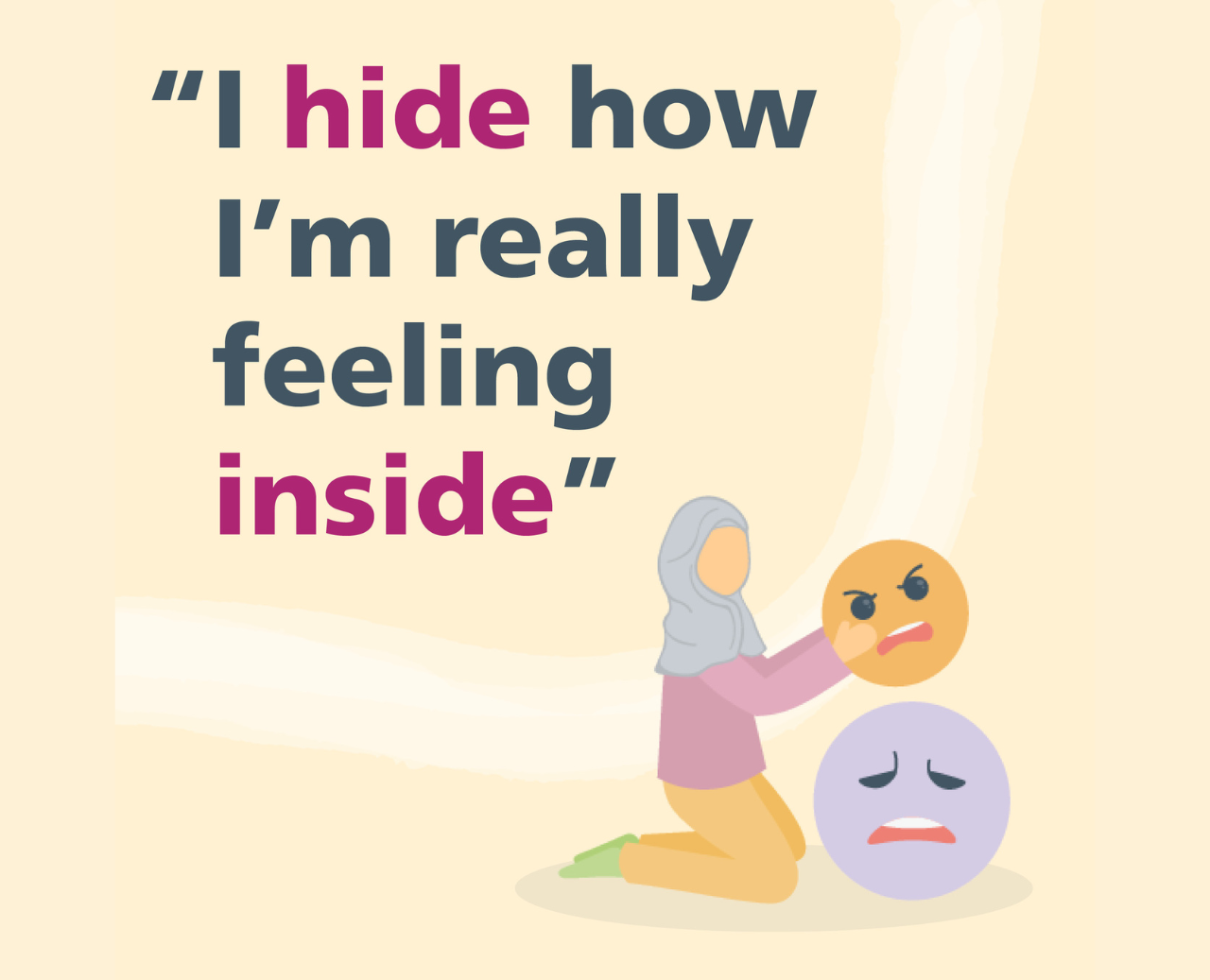
The suitcase will also contain Talking Mats, which can help people to communicate and express how they are feeling.
“At the moment, only Jodie and I are trained in Talking Mats so we are going to use some of the funding to access licensed training in a 'train the trainer' approach so that more staff can learn the skills and improve accessible communication across the unit,” said Kirsty.
Josh played a key role in shaping the idea for the sensory suitcase and faced the ‘dragons’ on the day.
He said: “I love the sensory room because it’s so relaxing, but there’s only one room and not everyone can use it.
“I told the ‘dragons’ that rather than people going to the sensory room, the sensory room could be mobile and go to the other rooms. If someone has had a rough day, the sensory suitcase can help to relax them, or it can be used when family are visiting.
“The sensory suitcase will help to make someone’s stay in hospital more enjoyable feel better. We want to help people feel better and be able to go home. I was so happy when we got the money.”
Kirsty, Jodie and Josh hope to launch the sensory suitcase by late Spring 2026.