
14 May 2026
A new audio archive project – the first of its kind attempted by an NHS mental health charity – gives a rare insight into life in the long-gone mental health asylums which were the primary destinations for people living with mental ill health - some in existence for centuries - until well into the 1980s.
Devised and produced by Sussex Partnership NHS Foundation Trust and its charity Heads On, Living Histories is both a valuable audio resource for future generations and, immediately, a series of podcasts illuminating a shadowy part of UK mental health history.
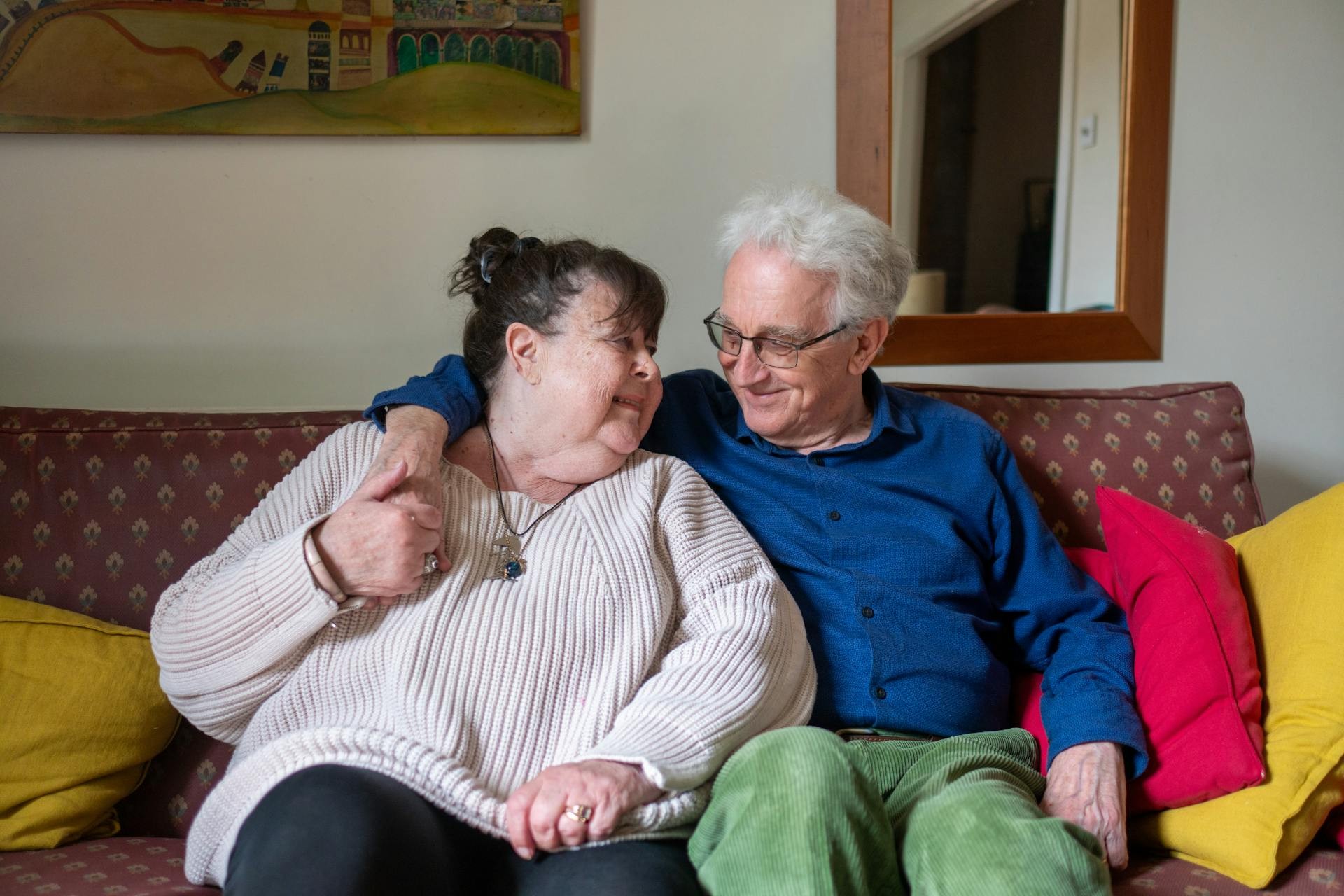
Across 2025, Heads On recorded 35 in-depth interviews with people across Sussex with personal experience of NHS mental health services, as both NHS staff and service users. Participants, who ranged in age from their thirties to their eighties, recalled experiences from the 1980s to today, reflecting on the Covid-19 years along the way. The resulting recordings explore the transition of care from institution to community. The complete collection of interviews will be preserved for future generations and sealed for 80 years in the Mass Observation Archive at The Keep, University of Sussex, with the anonymised transcripts available immediately.
From these interviews, seven Living Histories podcast episodes have been carefully curated and released with the full consent of participants. These explore the reality of ‘care in the community’, the period of history following the closure of the old asylums in the 1980s, through the first-hand accounts of people who lived through it. Episodes explore themes of care, recovery, relationships, identity and the reality of life with a severe mental health condition. While many memories are challenging to hear, reflecting the harsh reality of institutionalised life and the power imbalance found within, others are surprisingly positive, revealing an affection for the asylums and the communities they created.
The stigmatisation of mental health and the challenges in accessing appropriate treatment are clear throughout, along with the far-reaching effects of negative mental health on all aspects of people's lives. The Covid-19 pandemic - a period that permanently changed care delivery, working lives and daily experience - is captured from the perspective of people living with severe mental illness and those working in NHS mental health services.
Rachel Blair, Heads On Grants & Programmes Manager said, “With Living Histories, we are aiming to present the most honest account to date of how it has felt to be working in or receiving mental health services. The first project began to take shape ten years ago, when service users approached us with the view that the outside world had not grasped how completely mental ill health affected the whole of their lives. The blurring of lines between staff and service users' mental health also reminds us that poor health is indiscriminate and the impact great. This is the latest contribution in the push to remove mental health stigma and to bring true experiences into the conversation, to learn from the history of the mental health community and improve services for the future.”
The project is funded by the National Lottery Heritage Fund, NHS Charities Together and Heads On. Living Histories is supported by the De La Warr Pavilion, Mass Observation Archive, West Sussex County Council, West Sussex Records Office, Crawley Borough Council and Worthing Borough Council.
More at www.
Some episodes include discussion of mental health crisis, suicide, abuse and neglect. Support is available via www.sussexpartnership.nhs.uk/getting-help
Sussex Partnership NHS Foundation Trust and Heads On would like to thank all participants who generously shared their stories, along with the volunteers, staff and partners who made the project possible
For further information, interviews and images, please contact Sarah Hall, Communications Officer, on 07855425236 or sarah.