
6 May 2026
A new national research study is set to explore how people experience Mental Health Act (MHA) assessments and to develop a new approach to supporting service users afterwards.
Many people describe MHA assessments as confusing, distressing or unfair, and most say they never had the chance to talk through what happened. The SHARE study (Supporting Honest And Reflective Engagement), which is open to adults across Sussex, aims to change that.
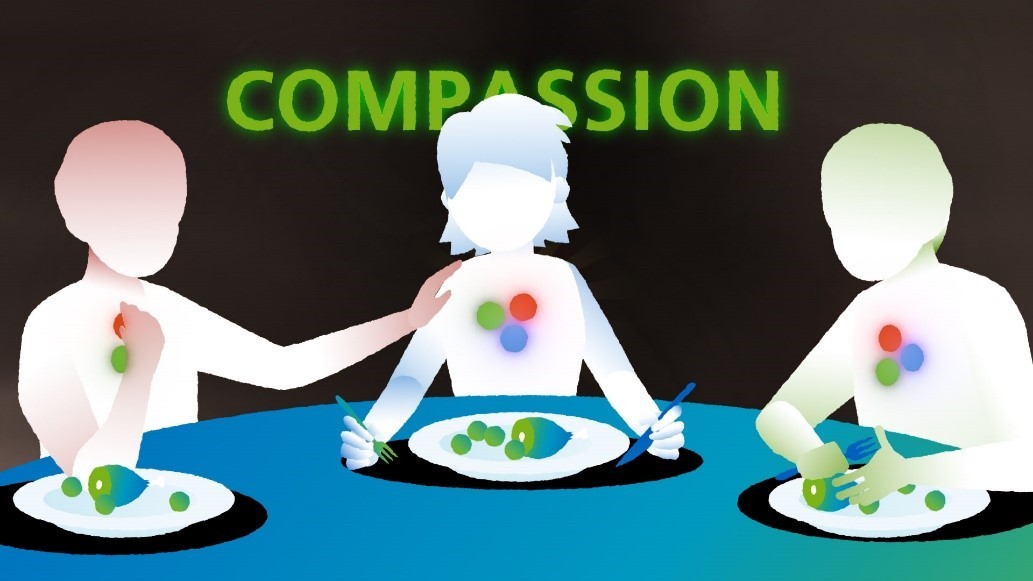
The research team will work with service users, staff and wider stakeholders to co‑design and test a new type of post‑assessment support via a structured, compassionate conversation around the assessment, to increase feelings of fairness and involvement and strengthen trust. This will also support future care planning.
Sussex Partnership NHS Foundation Trust is one of three NHS sites involved, along with Hampshire and Isle of Wight Healthcare NHS Foundation Trust and North London NHS Foundation Trust. It is funded by a National Institute for Health and Care Research (NIHR) Doctoral Clinical and Practitioner Academic Fellowship (DCAF).
Mark Hayward, Director of Research at SPFT, said: "Service users have helped us to understand that the experience of being assessed under the Mental Health Act can be distressing - at a time when distressed is already heightened.
"This important study will help us to understand how the distress associated with an assessment can be reduced, and how conversations after the assessment can facilitate the development of therapeutic relationships that can promote the process of recovery"
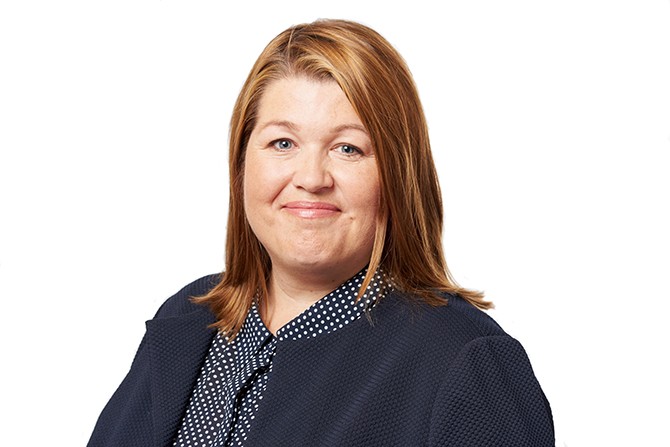
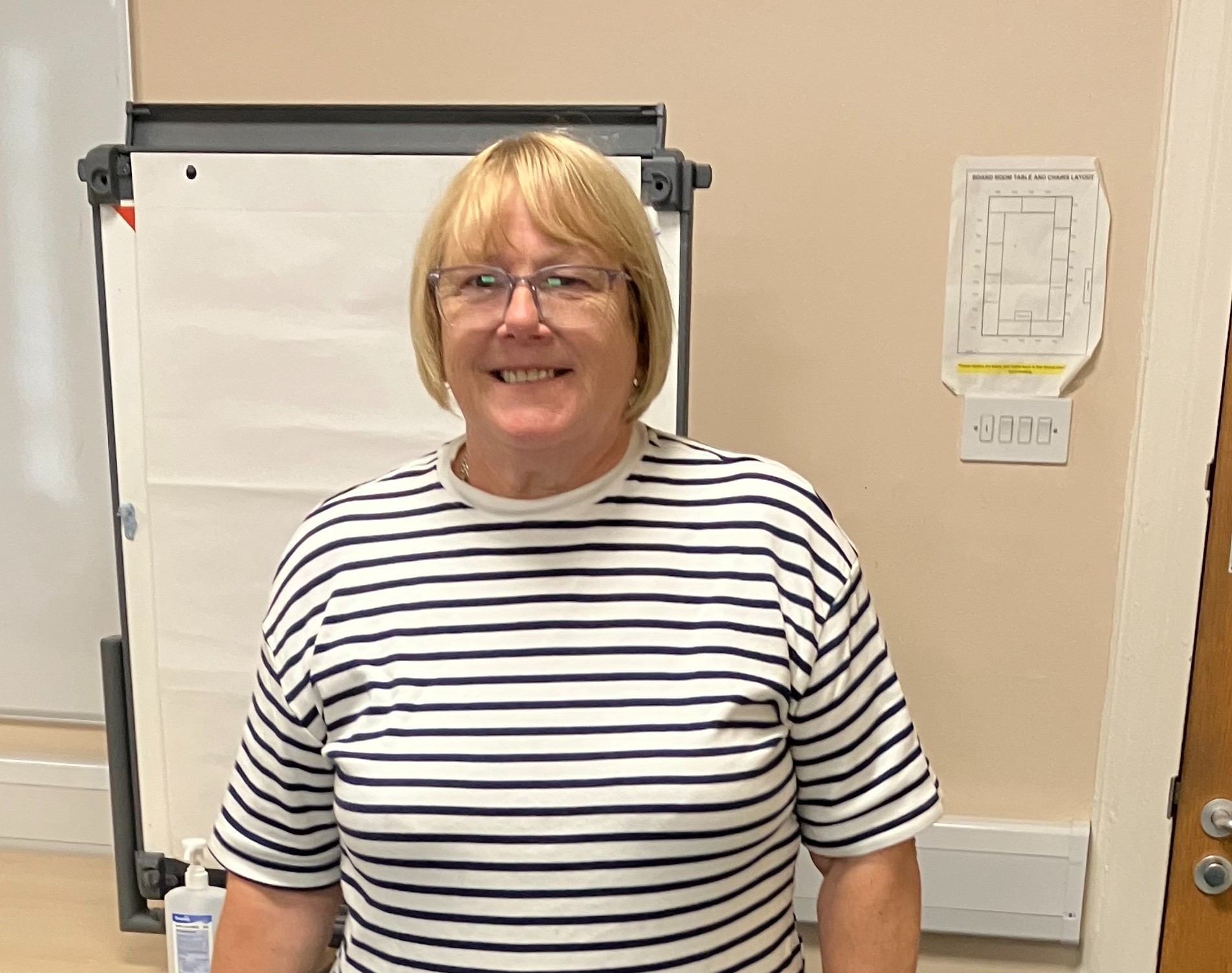
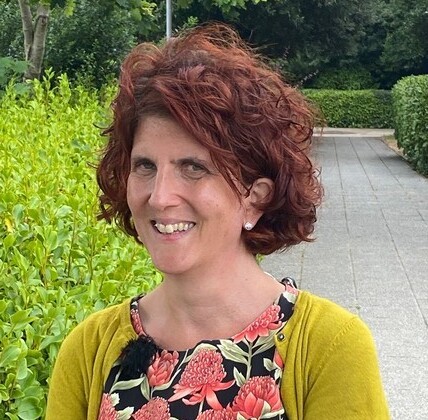
Louise Blakley, lead researcher and NIHR Doctoral Fellow at the School for Social Care Research, University College London, said: “This study began with something a service user said to me: that nobody had ever spoken to them about their Mental Health Act assessment, even though it was confusing, distressing and had a big impact on their recovery.
"People often don’t understand who was there, why decisions were made, or what their rights were. By creating a safe space to talk afterwards, I hope we can improve people’s sense of fairness, strengthen relationships with staff, and help make this part of the mental health system work better for those who experience it.”
The study aims to:
- Improve people’s understanding and experience after MHA assessments
- Strengthen therapeutic relationships
- Increase involvement in decisions about care
- Support advance care planning to reduce future crises
- Provide services with a practical, evidence‑based intervention
- Identify systemic barriers and opportunities for improving MHA‑related practice
- Potentially reduce repeat detentions over time
The SHARE study will run across three phases between February 2026 and September 2027:
1. Understanding experiences (2026)
Researchers will speak with service users and staff to understand what MHA assessments feel like, what happens afterwards, and what helps or gets in the way of good conversations.
2. Co‑designing solutions (late 2026–early 2027)
Service users, carers, staff, voluntary sector organisations and policy leads will work together in workshops to design the first version of a new post‑assessment support approach.
3. Testing and refining the prototype (2027)
Staff and service users will test the new approach in both role‑play and real‑world settings. Feedback will be used to refine the model ahead of a future feasibility trial.
- Louise Blakley has secured several competitive research awards. Louise has led quality improvement projects within her NHS Trust aimed at Health-based places of safety, enhancing the quality of care and numerous projects within the crisis mental health team. She also delivers training to AMHPs and mental health professionals nationally, supporting more person-centred and rights-based approaches in practice
- Suggestions from the study have been used by the charity MIND in their lobbying around proposed reforms to the Mental Health Act