
29 June 2026
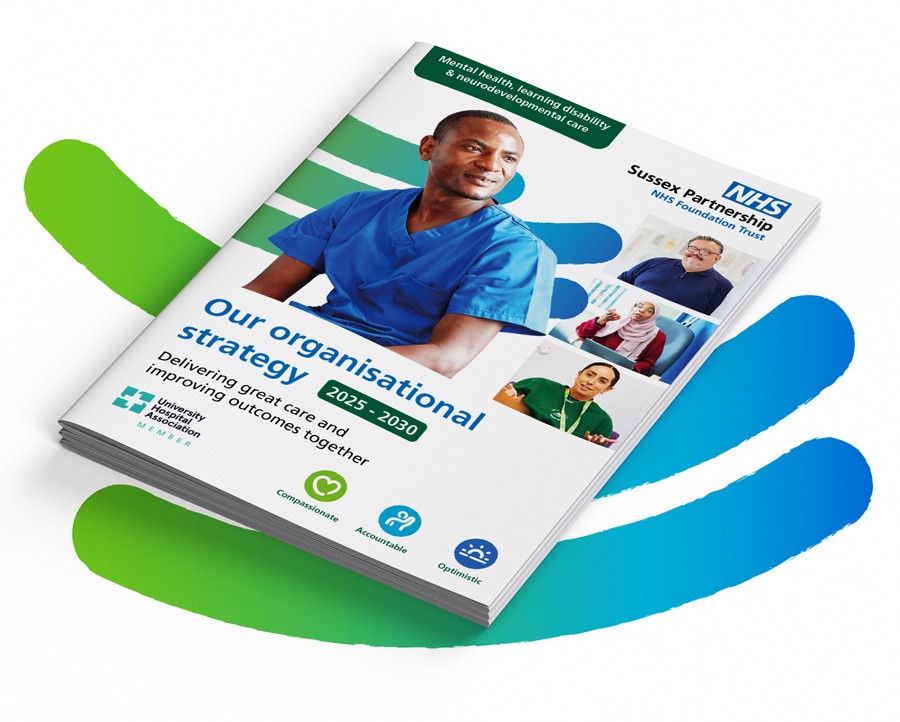
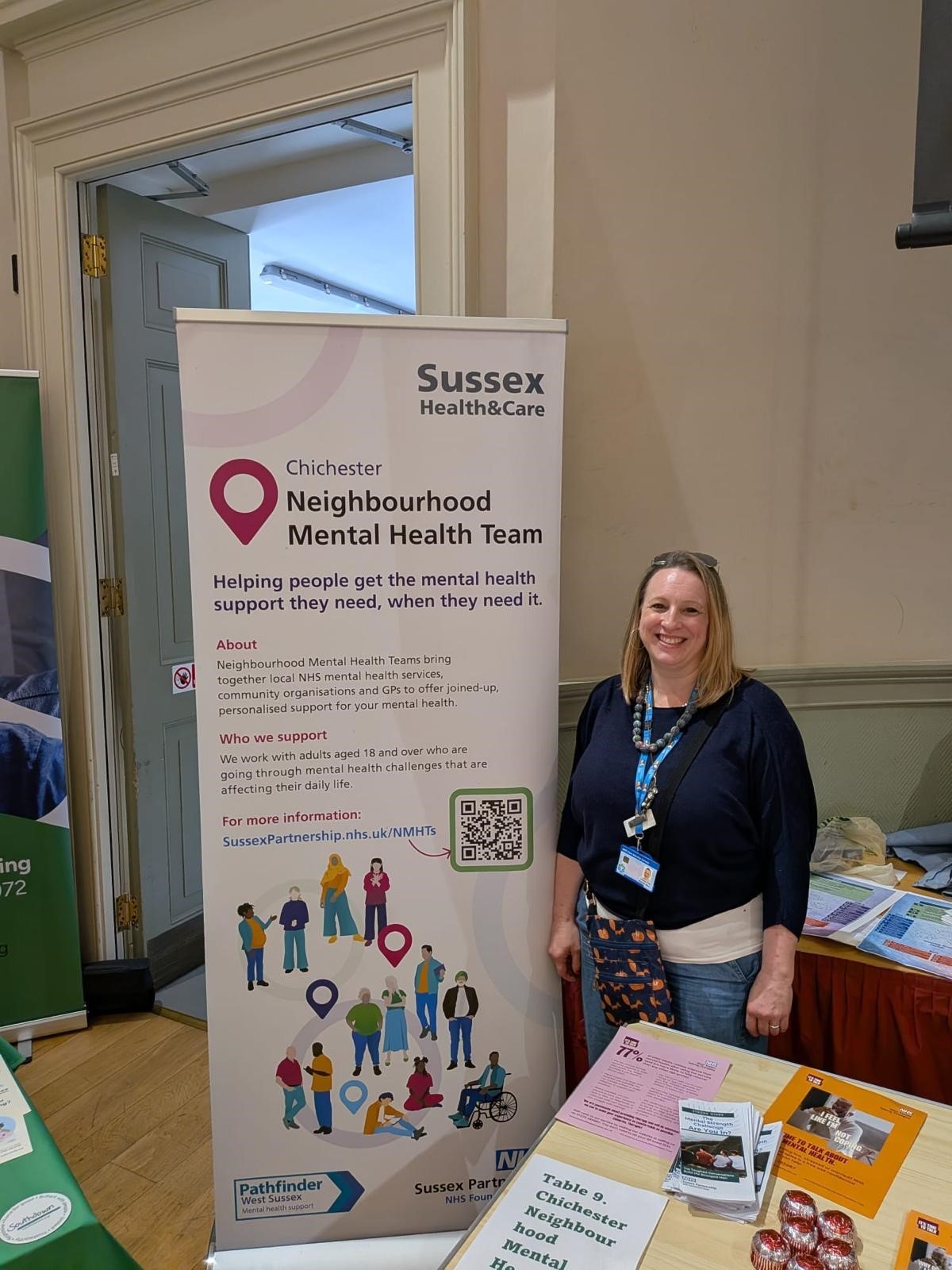
Sussex Partnership NHS Foundation Trust’s (SPFT) annual conference in Brighton today brought together some of the most innovative mental health, learning disabilities and neurodiversity teams in the country. Improving quality of care and outcomes for patients, carers, families and communities across Sussex was a key theme of the conference, as teams reflected on progress in delivering SPFT’s five year strategy one year on from its launch.
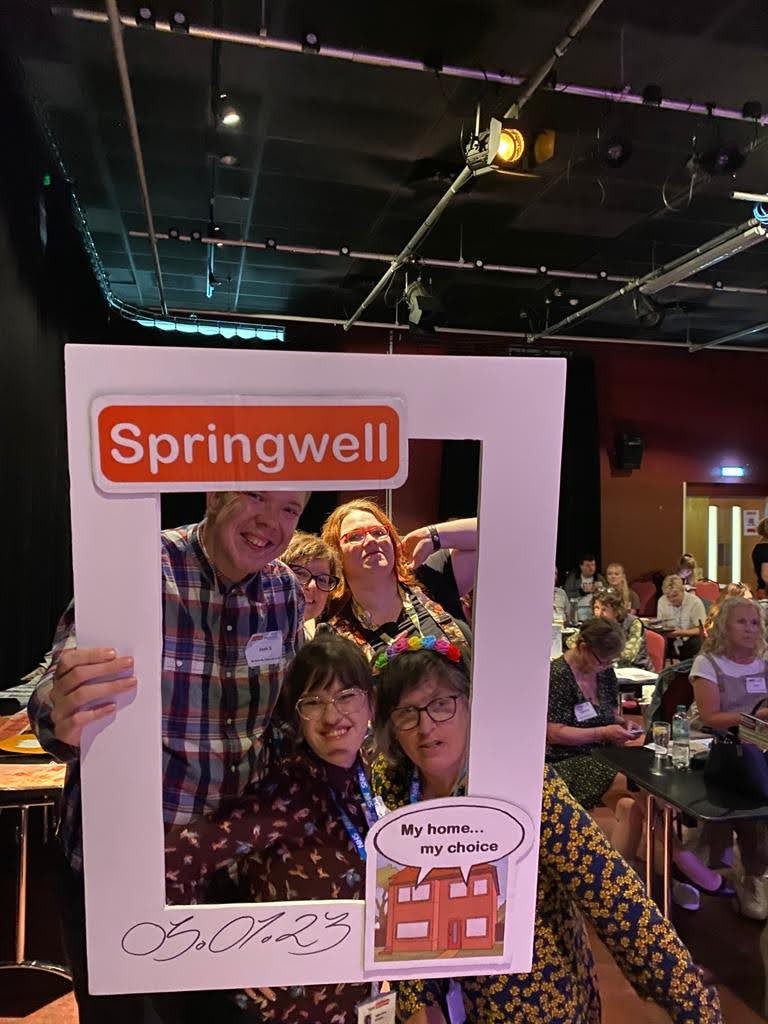
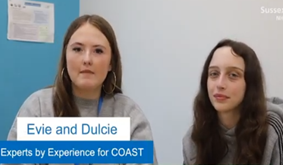
More than 200 staff and partners spent the day hearing from delegates about a range of innovative projects that are unlocking better health care outcomes across Sussex. Also in attendance are some of the Experts by Experience (EBE) whose first-hand experience of mental health challenges and treatments are being drawn upon to inform innovation and improvement in healthcare delivery.
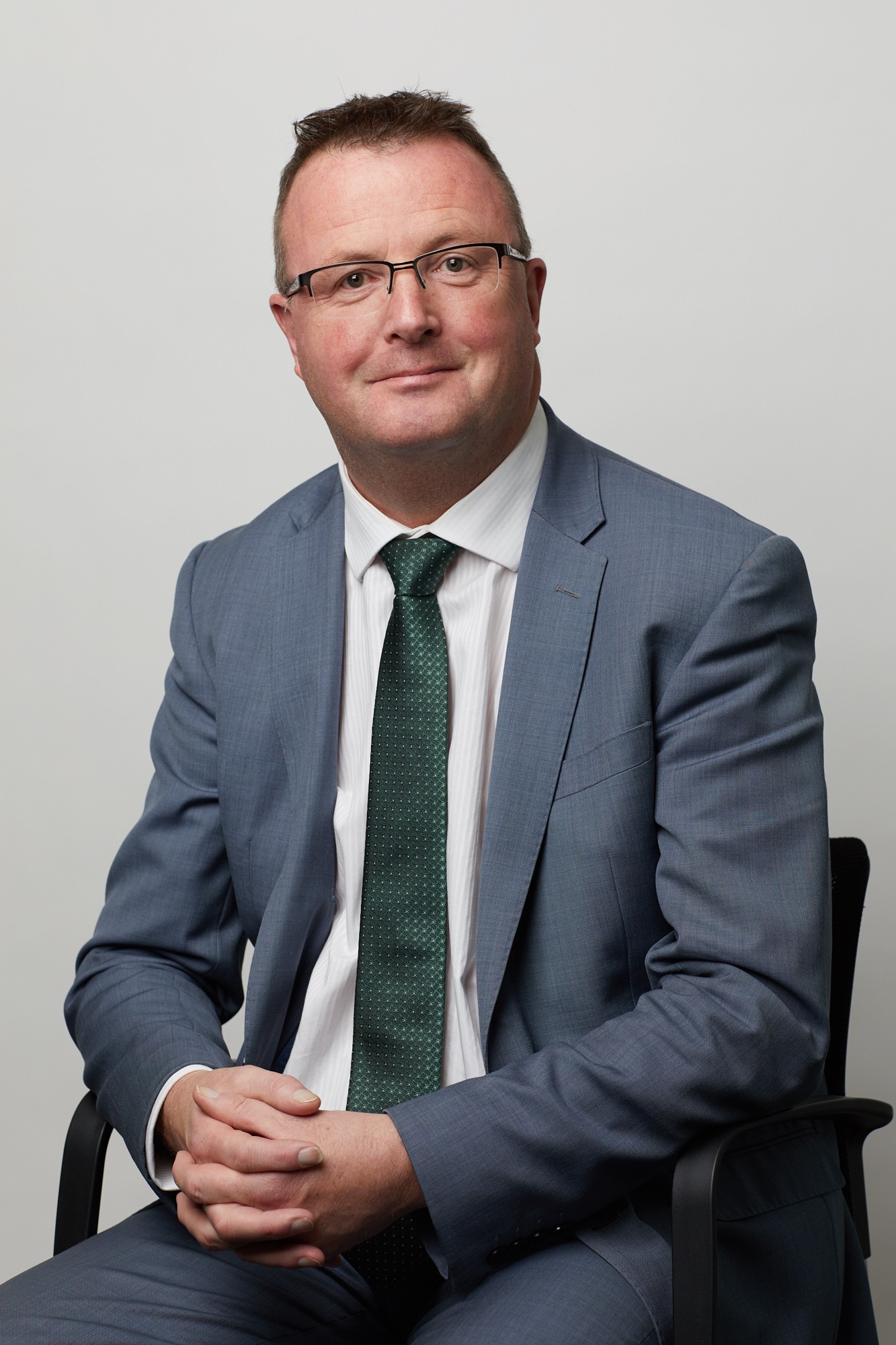
The conference got underway with scene setting from SPFT Chair Sean Duggan before a range of teams from across the Trust presented on the impact that their work is having across Sussex.
These included a presentation on the Trust’s recent trial of Virtual Wards for older people across Sussex who are neurodiverse or living with mental health challenges and learning disabilities. These wards have been delivered in partnership with East Sussex Hospital Trust as well as community and carer groups, to act on growing evidence that helping patients access treatment at home and avoid hospital stays can improve outcomes significantly. Amongst patients who have been admitted onto these Virtual Wards so far, nearly 90% have avoided re-admittance.
Delegates also heard about Staying Well, an initiative delivered by SPFT in partnership with a wide range of voluntary sector organisations. This has seen the opening of crisis cafes across the county, giving those suffering from acute mental health problems walk-in access to support and care.
Commenting Dr Jane Padmore, Chief Executive at SPFT said: "Today's event was an opportunity to bring together colleagues, people with lived experience and our partners to reflect on the progress we have made together in delivering great care and improving outcomes. and the difference it is making for the people and communities we serve.
“We discussed the work underway to reduce waiting times, provide more care closer to home and tackle health inequalities. We know there is still more to do, but it was encouraging to see the progress being made and the shared commitment to continuing that improvement.
“I would like to thank our staff, experts by experience and partners for everything they do to improve the quality of our services every day. Their commitment, insight and collaboration are helping us build better care for local people, and I am grateful for the difference they make."
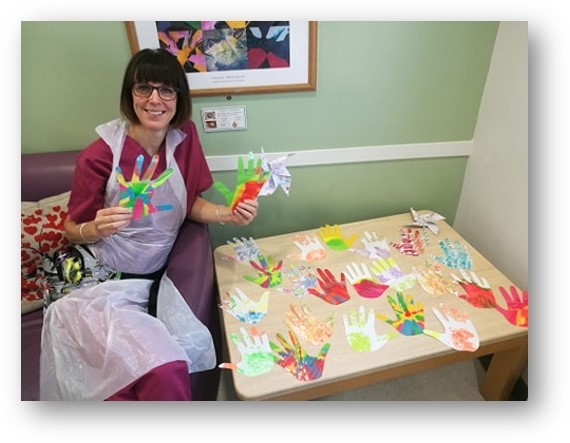
Alongside practitioners from across SPFT, the conference is also hearing from partners who have helped deliver some of the initiatives being discussed. Partnerships include Chichester Festival Theatre, which helped deliver a project focused on improving patient wellbeing and communication skills using creative arts.
Partnership has been key to the delivery of many of the initiatives discussed at the conference. An innovative project has seen Housing Officers join the Trust for example, with the aim of breaking the link between mental health crisis and homelessness. This has already seen a 60% reduction in urgent care use amongst the patients involved.
The Blue Light Line Rapid Response service meanwhile - delivered alongside Sussex Police, the Ambulance Service and other emergency responders - has created an alternative to standard blue-light pathways that is significantly reducing hospital admissions and detentions under the Mental Health Act.